
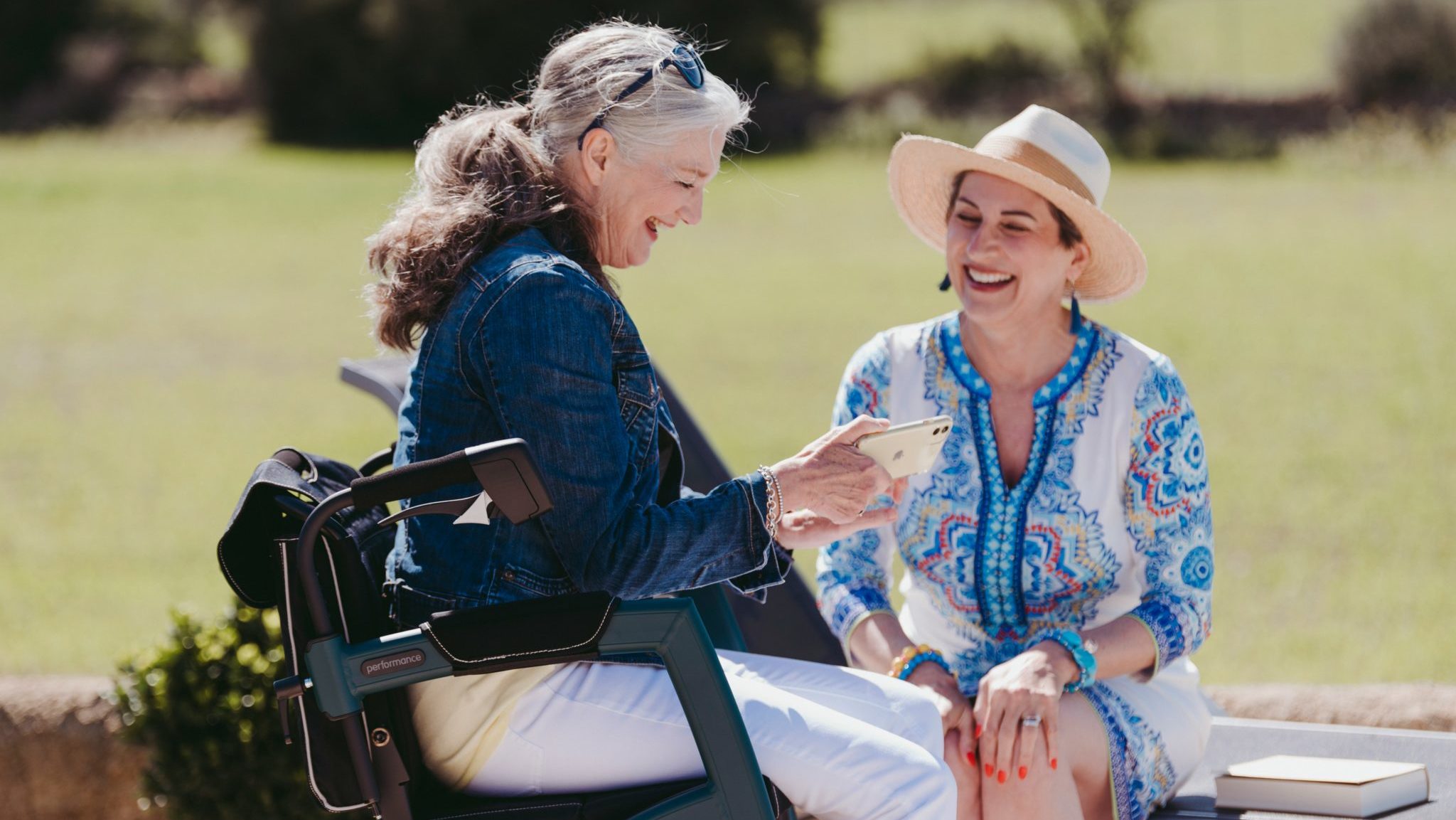
Do you feel the cognitive changes in your parents or grandparents, and are you concerned about their mental fitness? Would you like to help them strengthen their mental abilities and promote their wellbeing? Even small changes in everyday life and joint activities can make a significant difference.
Below you will find specific measures you can take to support the cognitive health of your loved ones.
Social aspects and lifestyle
- Promote sociability: Regular social interaction is essential for mental health. Visit your loved ones regularly or help them to join a group — for example a reading, gardening or creative group. Shared activities can prevent isolation and provide mental stimulation.
- Regular brain training: Jigsaw puzzles, crosswords, Sudoku, and brain-teasers are excellent ways to keep the brain active. These activities promote logical thinking and problem-solving skills.
- Lifelong learning: Encourage your loved one to learn new skills or hobbies. This could be a new instrument or painting, for example.
- Good sleep: Adequate and quality sleep is crucial for cognitive function. Lack of sleep can lead to memory problems and reduced alertness. A regular sleep routine and a pleasant sleeping environment can improve sleep.
Exercise and physical activity
- Regular exercise: Exercise improves blood flow in general and blood flow to the brain in particular. It also promotes the release of endorphins. Physical activities such as walking, swimming, dancing, or yoga have therefore been proven to have positive effects on our mental health.
- Brain training through sport: Activities that require both physical and mental exertion, such as dancing, are particularly effective. They promote coordination and concentration. In this regard, you could take part in dancing or yoga dance classes, for example.
Nutrition and hydration
- Nutrients for the brain: A healthy, balanced diet is essential for cognitive health. Nutrients such as omega-3 fatty acids (e.g. found in fish), antioxidants (e.g. found in fruit and vegetables) and vitamins (such as B vitamins and vitamin E) are particularly important. For example, try oatmeal porridge with berries and nuts for breakfast and a salmon fillet with spinach and quinoa for lunch with your loved ones.
- Hydration: Adequate fluid intake is essential, as dehydration can impair cognitive abilities. Your elderly relatives should therefore make sure they drink enough water.
Preventive healthcare
- Regular health checks: Regular visits to the doctor and preventive health checks can help to identify and treat health problems at an early stage.
Promoting cognitive health in old age requires a holistic approach that includes mental, social, physical and emotional aspects. With targeted measures and an individualized approach to your loved one’s needs, you can contribute to their cognitive health and encourage them to try new things and stay active.
Nevertheless: Don’t forget about yourself when supporting your relative! Do something for yourself, talk with friends and family members or search for professional help, if you feel too overwhelmed.
For further information, check out these studies on dance therapy and on exercise and brain health in aging!