
The days are getting shorter, the weather harsher and many people feel tired, heavier and more sluggish in winter. The so-called “winter blues” is not a myth – less sunlight and often less exercise in the fresh air can actually affect your mood. But the good news is that there are lots of little rituals and tips that you can use to do yourself some good and turn winter into a time of self-care and wellbeing. Find out more about it in this article.
Small everyday rituals: An anchor in gray winter days
Rituals are small, recurring actions that often have a big impact on our wellbeing. Especially in the darker months of the year, they can help you to make everyday life more pleasant and maintain your mental balance.
- Morning ritual: Start the day consciously. Treat yourself to a few minutes just for yourself, e.g. with a cup of tea or coffee, a short stretching unit or a gentle yoga flow. A few breathing exercises or a little meditation can also help you start the day with a clear mind.
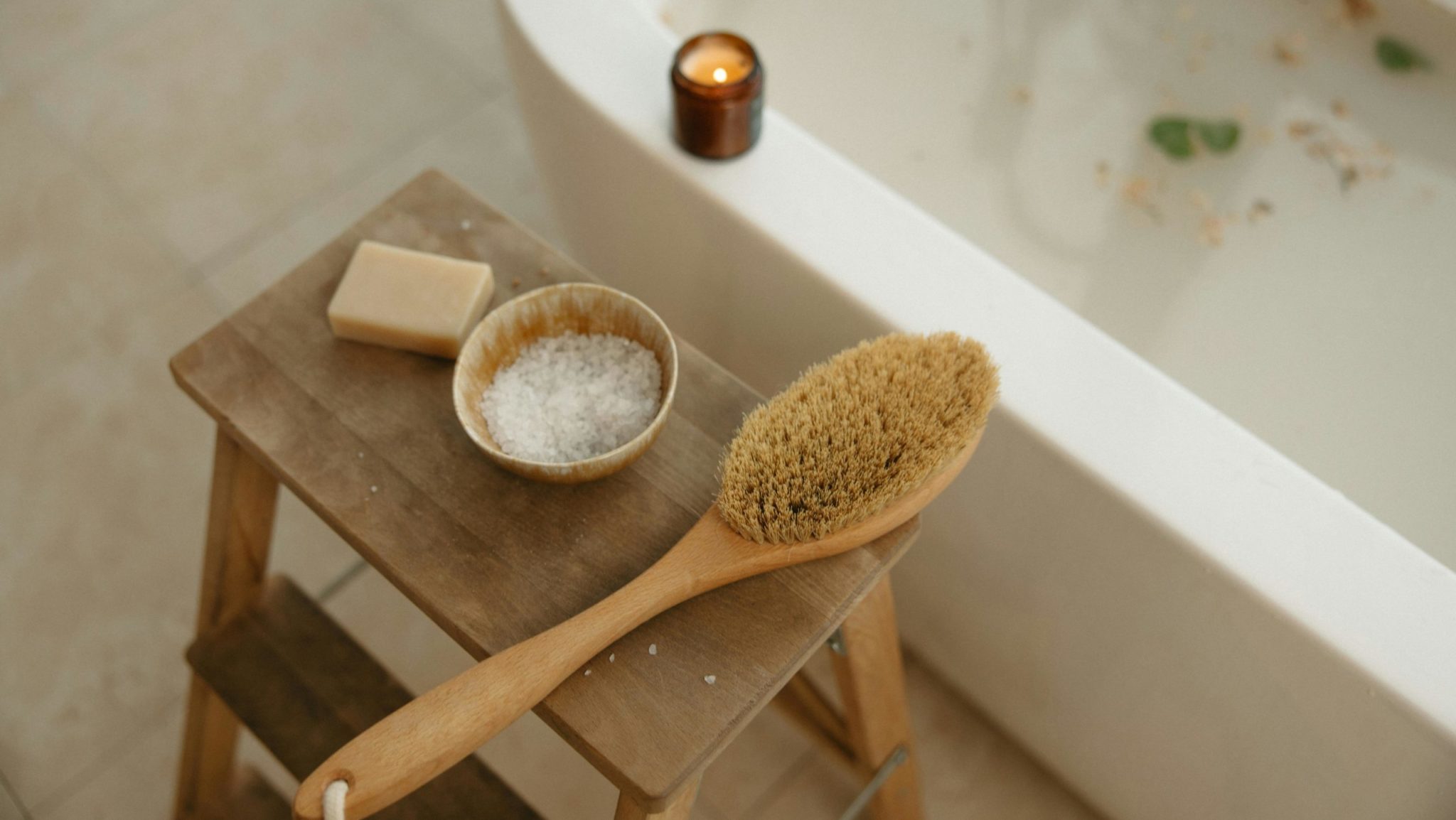
- Evening ritual: Create a relaxed atmosphere in the evening to help you switch off. Candlelight, a cozy blanket and a warm drink work wonders. Think about what relaxes you – maybe it’s a book, a hot bath or an episode of your favorite podcast.
These small everyday rituals provide structure and create anchor points that can give us stability and lift our mood, especially in the darker months of the year.
Mood-boosting foods: Colorful and delicious
The right foods can play a major role in how we feel. After all, our wellbeing depends heavily on our body and especially our metabolism. Here are a few tips for a winter diet that makes you happy:
- A colorful variety of vegetables: Carrots, beet, pumpkin and spinach are perfect winter vegetables. They contain lots of vitamins and minerals that can strengthen our immune system and can give us energy.
- Nuts and seeds: Walnuts, almonds and linseeds are excellent sources of omega-3 fatty acids which can stimulate the production of serotonin, the happiness hormone. Sprinkle a few nuts over your oats or salad and you have a small, healthy source of energy!
- Dark chocolate: Treat yourself with a piece of dark chocolate (at least 70% cocoa) every now and then. Cocoa contains lots of antioxidants and also promotes serotonin production.
- Warming spices: Cinnamon, ginger and turmeric have a warming effect on the body and often directly lift the mood. So how about a homemade turmeric latte or ginger tea in the afternoon?
Mood-boosting foods are a wonderful way to treat yourself to a healthy and enjoyable treat in winter. They can provide energy, strengthen the immune system and are simply good for you.
Fill up on light during walks
In winter, it is particularly important that you get daylight. The best way to do this is to go for a walk in the fresh air. Even when the sky is overcast, the natural light outside is stronger than artificial light indoors and helps to regulate the hormone melatonin which plays a key role in our sleep quality and day-night rhythm.
- Daily walks: Try to take a short walk every day – preferably in the morning. 15 to 30 minutes is often enough to get some light and fresh air.
- Use windows: If walks are not possible, you can also try to stand by the window more often or set up a workstation near a window. Every little burst of light helps!
Regular exercise and daylight have an invigorating effect on our body and mind and are a natural way to combat tiredness and the winter blues.
Mindfulness and me-time
Winter is the perfect time to look inwards and reflect on yourself. Mindfulness exercises and targeted “me time” can help you to calm down and pay better attention to your needs.
- Mindfulness exercises: Just a few minutes a day are enough to integrate mindfulness into your everyday life. Sit comfortably, close your eyes and concentrate only on your breathing. A short body awareness exercise can also help you to arrive fully in the here and now.
- Time for yourself: Allow yourself regular short breaks in which you consciously do only what brings you joy. This could be a long walk, an exciting book or a creative hobby. It is important that you are completely with yourself in these moments and don’t think about To-Do lists or other obligations.
Mindfulness and time for yourself can strengthen the connection to your inner balance and can help you to better listen to your needs.
The balance between enjoyment and nutrients
Wintertime is also the time for comfort food which is often hearty and rich. But it’s just as important to give your body the nutrients it needs to stay strong and fit.
- Enjoyment without remorse: It’s perfectly okay to indulge in something sweet or hearty from time to time – especially in winter, this is also part of feeling good. The key is balance: Make sure you eat enough nutrient-rich foods to keep your body well nourished.
- Nutrient-rich meals: Especially in winter, our bodies need plenty of Vitamin C, D and E as well as Zinc and Magnesium to strengthen the immune system. Green leafy vegetables, pulses, fruit and wholegrain products provide many of these nutrients and help you to feel good all round.
By maintaining this balance, you ensure your wellbeing without having to sacrifice enjoyment.
Good sleep: The basis for energy
Sleep is the foundation for our wellbeing – often even more so in winter than in summer. Many people have an increased need for sleep during the darker months of the year. Give yourself permission to give in to this need, because sleep is essential to recharge your batteries.
- Fixed bedtimes: Try to stick to a fixed sleep schedule. This will allow your body to adjust better to the rest phase and you will feel more rested.
- Sleep-promoting rituals: Before going to bed, it helps to consciously leave everyday life behind you. An evening tea, a good book or soft music can support the transition into the rest phase.
In winter, your body often needs a little more sleep – give it an extra portion of rest.
Turn winter into a feel-good time
Self-care in winter doesn’t mean you have to give up everything or completely change your daily routine. Even small rituals, a little more mindfulness and a conscious approach to your own needs can make a big difference. With a little loving attention and a willingness to take time for yourself, winter can become a time of wellbeing.
You can find more information and answers to questions about self-care and its importance for our health on the World Health Organization website. You can also find more tips on how to escape the winter blues at Mobil Krankenkasse.