
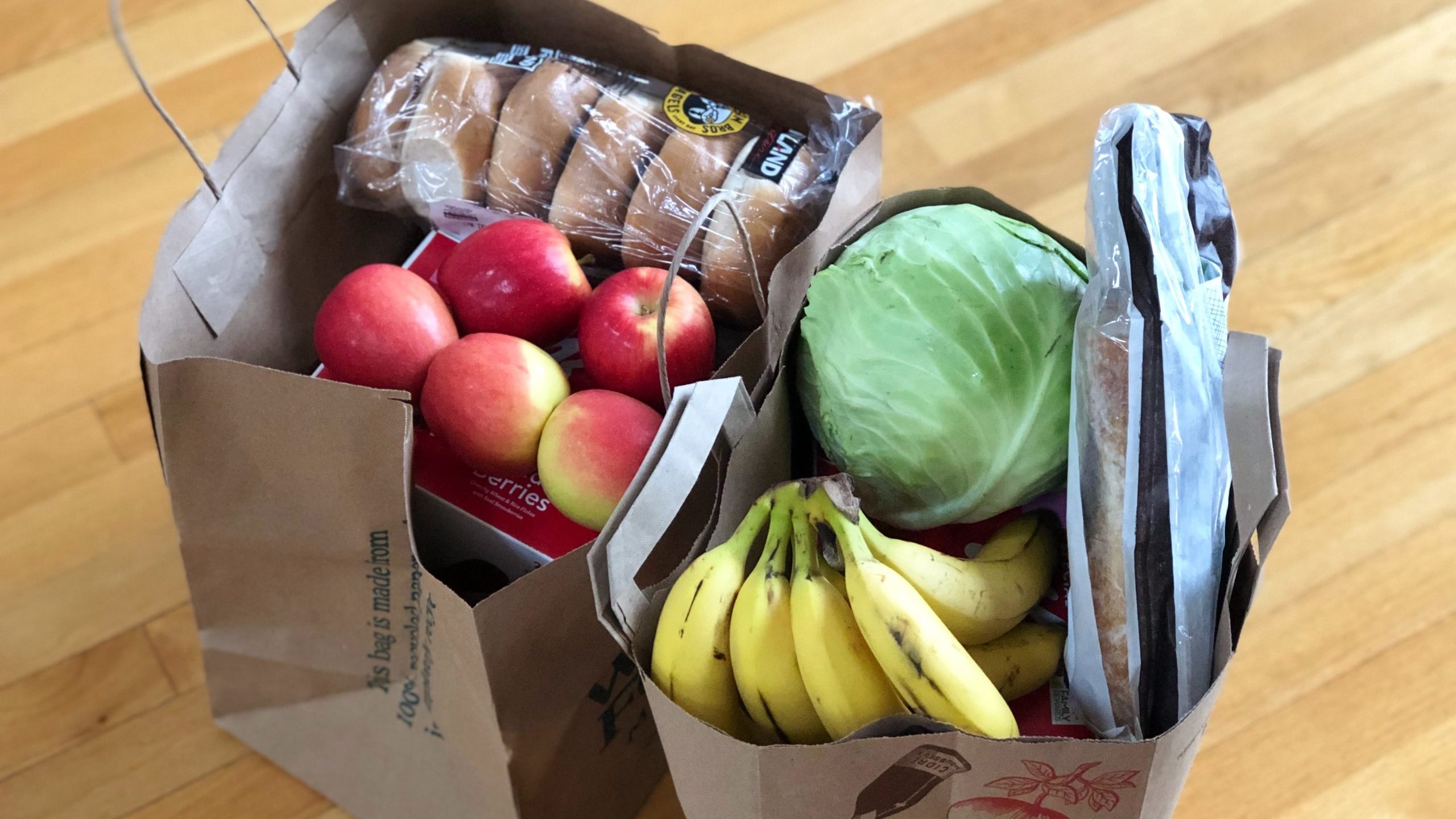
Storing food properly can help you get more out of your purchase. You can also make food last longer and stay one step ahead of food waste. Here’s how:
THE REFRIGERATOR
Basically, there is a recommendation to sort your refrigerator according to the following criteria: Fish and meat are best at the bottom of the fridge, dairy products one floor up. Leftovers and cheese should be stored at the top. Vegetables are ideally located in the vegetable compartments. This way, every food item in the refrigerator is at its perfect temperature. Open sauces, tubes, jam and eggs can also be stored in the refrigerator door.
VEGETABLES AND FRUIT
When it comes to vegetables, it is important to distinguish whether or not the vegetable or fruit is still post-ripening. Post-ripening fruits are also called climacteric fruits. Eggplants, cucumbers, tomatoes, zucchini, bananas, pineapples, melons, for example, belong to this category of fruits and vegetables and are sensitive to cold. Refrigerator storage is possible for up to a maximum of 3 days, but is still best stored at room temperature. In the vegetable compartment of the refrigerator you should store mainly leafy vegetables, asparagus, corn and non-climacteric fruits such as berries, grapes and citrus fruits that are not sensitive to cold. Garlic, onions and potatoes are best stored in a dark place. It is important not to store potatoes and onions on top of each other or next to each other, as they provoke mutual sprouting.
DRY PRODUCTS
All dry products such as pasta, rice and couscous should also be stored in a dry and dark place, such as a pantry.
PRESERVING FOOD FOR LONGER
- The freezer
However, if you notice that your vegetables or other foods regularly go bad, you can simply freeze them. In doing so, wash the food in advance, chop it up and fill it into small portions. Seal the package as airtight as possible and write the date on it with a pen. Food does not keep forever, even in the freezer. Fish and fatty meats can be frozen for about 7 months, beef and poultry for about 10 months, and fruits and vegetables for about a year. There are also foods that should not be placed in the freezer. These include, for example, lettuce, eggs, raw potatoes, onions, cucumbers, tomatoes. These are very rich in water and change their consistency when thawed. Likewise, dairy products should not be frozen. If these foods are to be frozen anyway, they should be overcooked and frozen as a meal, such as a curry.
- Ferment
If you want to preserve your food longer, you can think about fermenting. Here, various vegetables in particular are placed in a salt solution and left to stand for several weeks. The vegetables are fermented by this salt solution and the standing and thus remain longer durable. Fermenting is particularly suitable for cabbage, radishes and cucumbers.
Consequently, proper food storage is important and can lead to less wasteful food use.