
Self-sufficiency is gaining popularity again, especially in the context of sustainability. But what does self-sufficiency actually mean?
A self-sufficient person aims to live as independently as possible from institutions and large systems. Instead of relying heavily on supermarkets or retail stores, they try to provide for themselves—producing their own food, clothing, household products, and other everyday essentials.
Only a small number of people pursue this lifestyle in its most extreme form. For many, it takes years to gradually build up the knowledge and skills required. For most of us, a fully self-sufficient life may seem unrealistic—and that’s perfectly fine. No one expects you to become 100% self-sufficient overnight.
Still, it’s worth considering which steps toward sustainability and environmental responsibility are realistic for you. Small changes can have a meaningful impact. Each of us can make everyday choices that help protect the planet for future generations.
Self-sufficiency doesn’t just mean growing fruits and vegetables in your garden. There are many ways to make daily life more sustainable. And self-sufficiency looks different for everyone. Start with something you genuinely enjoy—every small step counts.
Grow Your Own Food
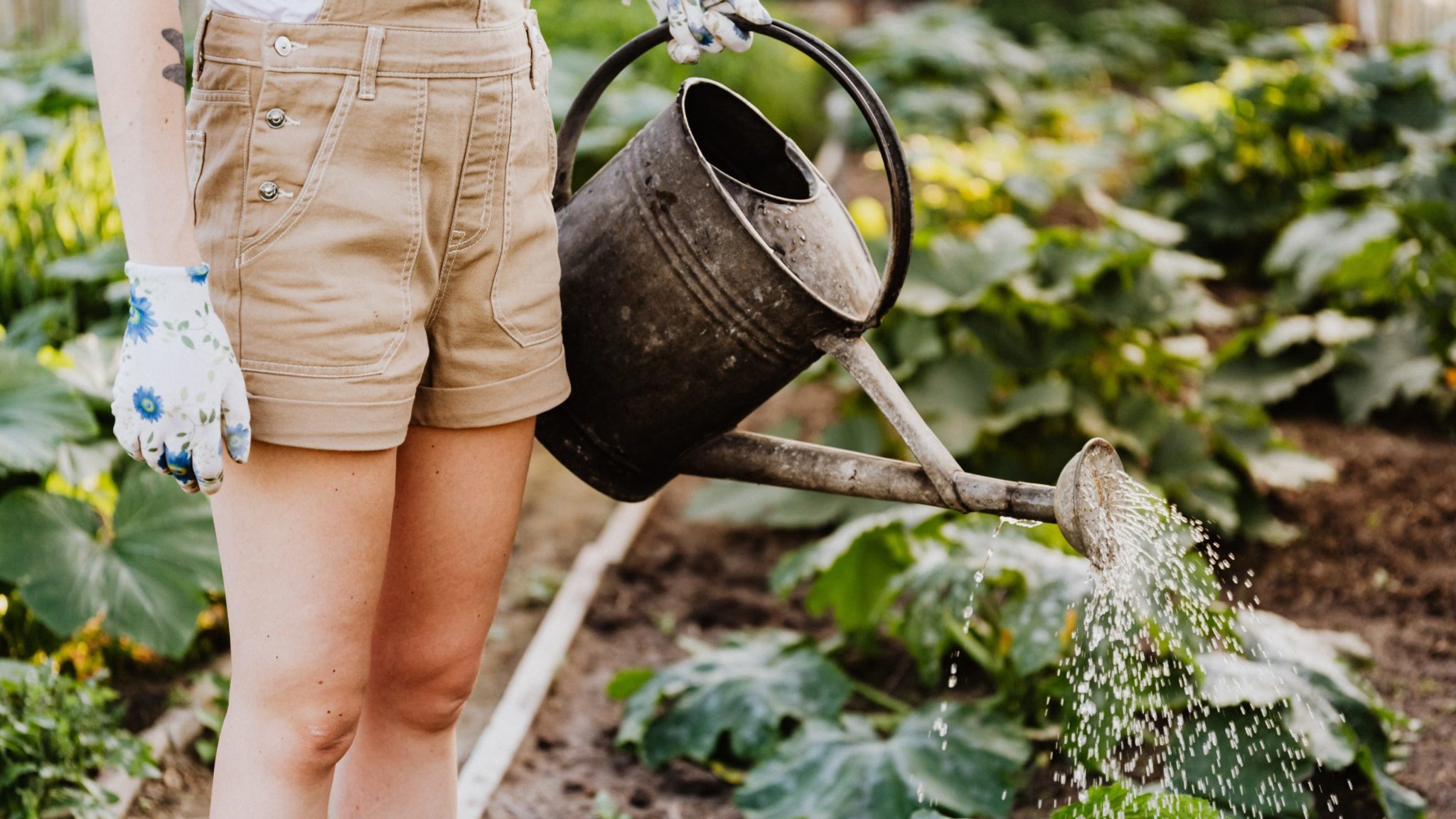
The most traditional way to begin is by growing your own food. And you don’t need a large garden to get started. Even a balcony can provide space for herbs, tomatoes, or strawberries in pots.
If you do have a garden but aren’t sure where to begin, start simple. Lettuce, zucchini, and radishes are great options for beginners. Seeds are widely available at garden centers and hardware stores. You’ll also find plenty of guidance online or in gardening books about planting, watering, and harvesting.
Start small. Choose one vegetable, herb, or fruit you like and give it a try—whether in your garden or on your balcony.
Preserving: Pickling, Canning, and Fermenting
If growing your own food feels like too big a step at first, try preserving seasonal produce instead. Pickling, canning, or fermenting are simple ways to make fruits and vegetables last longer.
Buy seasonal produce from a local market or grocery store, or receive surplus from friends and family, and preserve larger quantities. This allows you to enjoy regional foods even during the winter months.
If you decide to grow your own food later, you’ll already have the skills needed to process and store your harvest.
Do It Yourself
Many everyday products can be made at home. Foods like bread and pasta require only a few natural ingredients. You might even discover a new hobby while avoiding unnecessary additives often found in processed foods.
Household and personal care items—such as deodorant, toothpaste, soap, shampoo, or laundry detergent—can also be homemade. Common ingredients include apple cider vinegar, baking soda, clay, and essential oils. Recipes and tutorials are widely available online. With practice, the process becomes quicker and easier.
Homemade soaps and care products also make thoughtful, sustainable gifts.
You can even create some of your own clothing. There’s no need to replace your entire wardrobe. If you’re interested in knitting, crocheting, or sewing, start small. Socks, scarves, and hats are great beginner projects—and handmade pieces carry a special personal value.
Fresh Eggs from Your Own Backyard
If you have a garden, keeping chickens might be an option. For many self-sufficient households, chickens are a natural starting point. They are generally considered manageable to care for, and you don’t need a large property to keep them.
Fresh eggs from your own backyard are versatile—and you know exactly where they come from.
Foraging: Nature’s Pantry
Nature also provides food if you know what to look for. Mushrooms, wild herbs, and medicinal plants can be foraged. A walk in the forest can easily turn into a rewarding gathering experience, with your finds later becoming part of your meal.
However, proper knowledge is essential. Not all plants and mushrooms are edible, and some are toxic. Learn carefully which species are safe and how much you are allowed to collect. This protects both your health and the ecosystem.
Your Take-Away
Self-sufficiency doesn’t have to be extreme. It’s not about changing everything at once. What matters most is making conscious choices and gradually moving toward a more sustainable lifestyle.
Choose what fits your life and brings you joy. Don’t put yourself under pressure. Every small contribution makes a difference—for you and for the environment.
Enjoy exploring your path toward greater self-sufficiency.
Further information on this topic can be found here:
Flipo, A., Alexander-Haw, A., Breucker, F., & Dütschke, E. (2025). Who is sufficient, and why? A mixed-methods approach to the social determinants of sufficiency lifestyles in the pursuit of decarbonisation. Consumption and Society, 4(1), 55-74. https://doi.org/10.1332/27528499Y2024D000000037
Rüschhoff, J., Hubatsch, C., Priess, J., Scholten, T., & Egli, L. (2022). Potentials and perspectives of food self-sufficiency in urban areas—A case study from Leipzig. Renewable Agriculture and Food Systems, 37(3), 227–236. https://doi.org/10.1017/S174217052100048X
Simon, A., & Bárdos, H. (2026). Home gardening and fruit and vegetable intake in rural settlements in Northeast Hungary. Scientific Reports. https://doi.org/10.1038/s41598-026-39593-2