
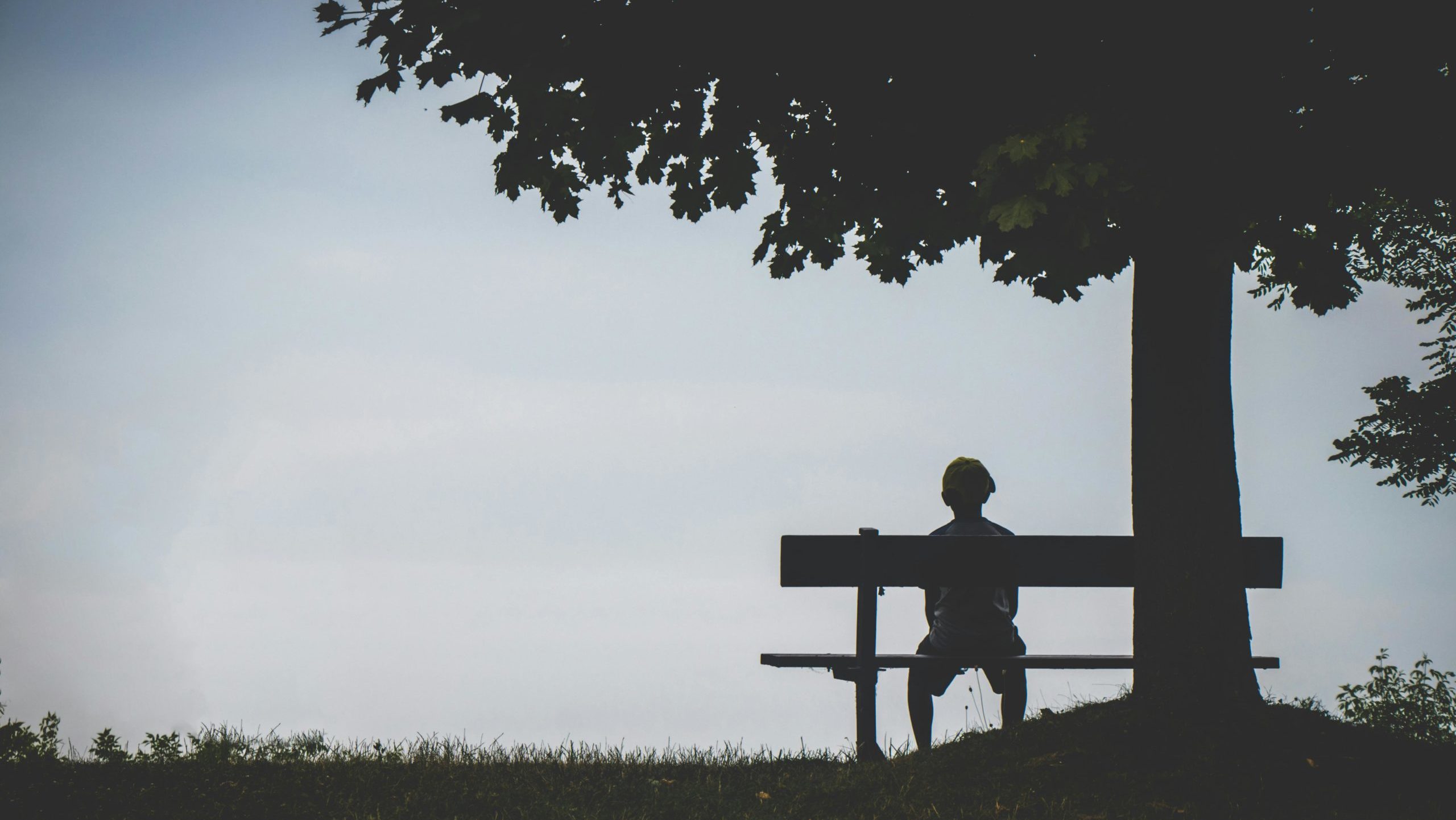
Loneliness is a feeling that is measured and perceived subjectively. There are therefore a variety of definitions. It does not depend on the number of social contacts, but rather on personal characteristics and one’s own character. In addition, personal preferences, the quality of relationships and life circumstances define whether a person feels lonely or not – because being alone does not automatically mean that you are lonely.
Difference between being alone and loneliness
When a person is alone, it can be recognized by the fact that there are no other people in the immediate vicinity. Being alone can be objectively valued and measured. As described above, loneliness is a perception. It is subjective and cannot be recognized directly as an outsider. Here, sensitivity, empathy and openness are required to find out whether the other person feels lonely.
Loneliness comes with age?
Reports from the study “Old Age in Germany” show that older people feel lonely more often. For example, 8.7 percent of 80 to 84-year-olds are affected by loneliness and 22.1 percent of over 90-year-olds. Women and people living in care homes seem to experience loneliness more often. But younger people are not spared either. The DIW (German Institute for Economic Research) noted that 8.4 percent of people under the age of 20 feel lonely. Loneliness is therefore not age-dependent and can affect anyone.
Loneliness in the city or in the countryside?
There is no evidence that people feel more lonely in the city or in the countryside. Much more important are the structures of the place of residence – if there are opportunities to meet people, to organize leisure time in a variety of ways and to organize life in the immediate vicinity, this reduces loneliness.
Consequences of loneliness
Loneliness reduces our mental health and also has negative consequences for our bodies. It promotes the development of cancer and cardiovascular diseases and increases the risk of mortality. In addition, people affected by loneliness feel less able to cope with challenges, have a more negative mindset and have a lower ability to perform and concentrate.
What helps with loneliness
At a political level, more opportunities need to be created for people to meet and get to know each other, and infrastructures need to be improved. However, connecting and activating offers can also help at a local level to encourage and motivate people to connect with each other.
There are also options to tackle loneliness itself by the collar. Fundamentally, social contacts, physical and mental health and education are factors that protect against loneliness. You can actively influence all three.
• You can maintain your contacts. Reflect on which relationships are good for you.
• You can promote your physical and mental health by getting enough exercise and by eating varied, balanced and wholesome.
• You can also learn new things and find out about various topics.