
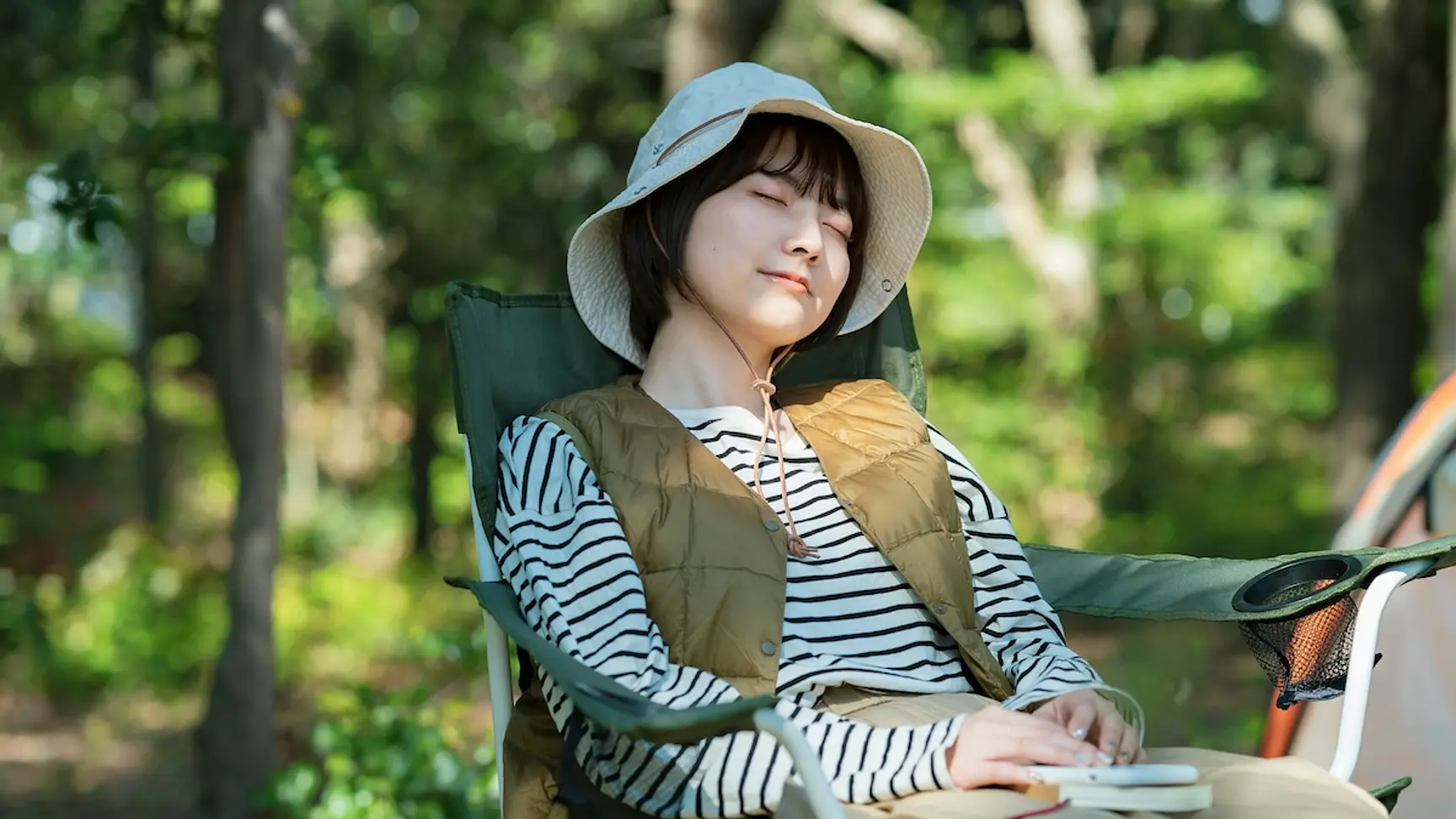
Perhaps you also share these experiences: After a supposedly relaxing weekend or a short vacation, you still feel stressed and exhausted despite getting enough sleep. Sometimes you have difficulty understanding what really brings you peace in such moments. What’s more, the wealth of advice on relaxation can be too much and you can quickly feel overwhelmed. But don’t worry, in this post, you’ll find out what really matters when it comes to quality rest and how you get proper rest.
Actively shaping recovery
Whenever we don’t feel as recovered as we’d hoped, this is often due to a false idea of recovery. Many people mistakenly believe that it is enough to simply take a passive break and wait for recovery to happen on its own. But modern research shows that we can actively shape our recovery process and thus achieve the desired recovery effect. It’s about not just waiting for external influences but acting proactively ourselves. For example, by consciously training your enjoyment skills and mindfulness, you can take an important step towards restful rest. This means that you learn to consciously perceive and enjoy every moment—be it during meals, on a walk, or at work. This conscious posture not only reduces fatigue but also allows you to relax more deeply and find inner peace.
Finding proper recovery
To find proper recovery, it is crucial to know what you actually want to recover from and for. Because recovery is individual. Which form of recovery is best for you depends on the type of stress you have been exposed to. The following questions will help you choose the right recovery.
Advice: Your leisure activities should provide a balance to everyday life for you to recover properly. Recovery means really switching off and having fun, without being pressured for time or to perform. So choose activities that are voluntary and fun to enjoy your “me time”. Your free time is foryou—so use it consciously to relax.
Feeling restless, agitated, nervous, and overstimulated?
Recovery is all about finding peace and quiet. Various relaxing activities can help with this, contributing to both physical and mental relaxation. Here are some examples:
- Doing systematic relaxation exercises: Yoga, meditation, or breathing techniques can help you find inner peace and reduce stress.
- Spending time in nature: A walk in the forest or on the beach can work wonders to clear your head and recharge your batteries.
- Seeking quiet places: Deliberately look for quiet places, such as a quiet room, a park, or a quiet place in your home to escape the hustle and bustle of everyday life.
- Doing endurance sports activities: Slowing down your pace when jogging or cycling can help to calm your mind and reduce stress—especially if you do it without false ambition or pressuring yourself to perform.
- Socializing: Shared activities with friends or family can be very relaxing as long as they are not associated with additional stress. Make sure that such meetings do not turn into stressful events, e.g., if you are the host or hostess, but offer moments of joy and relaxation.
Feeling disgruntled, frustrated, and simply fed up?
If you mainly experience one-sided strain in your everyday life, it is important to find activities in your free time that compensate for these imbalances. You can achieve this as follows, for example:
- Stimulating interests & abilities: Look for activities that appeal to your unused interests and skills. If you sit in the office all day, crafty or creative activities such as painting, handicrafts, or gardening could be a welcome change.
- Balancing physical & mental efforts: If your job mainly requires mental effort, it is important to challenge your body in your free time and ensure a balance. Try to find a sport that is physically challenging and takes your mind off the daily grind (e.g., yoga, swimming, or hiking).
- Enjoying tangible results: If, in your job, you mainly work with abstract concepts or have a lot of conversations, you may rarely look back on tangible results at the end of your working day. In such cases, it can be fulfilling to create something tangible in your free time. This could include crafty projects, gardening, or cooking—anything where you see and enjoy tangible results at the end of the day.
Feeling unfulfilled, bored, or not challenged enough?
When the positive challenges in your professional and private life are dwindling and it feels like your life lacks fulfillment, it’s time to find new ways to spend your free time. Here are some suggestions on how you can spend your free time doing something meaningful:
- Discovering new personal challenges: Look for new experiences and challenges that enrich you personally. Perhaps you would like to try out a new sport or learn a musical instrument or a new language. Starting something new brings a breath of fresh air into your life and promotes your personal development.
- Doing voluntary work: Stand up for an idea or project that is close to your heart. Working on something bigger than yourself not only brings meaning and purpose to your life but also gives you a sense of making a positive contribution to society.
- Having creative hobbies: Discover your creative side and find joy in artistic or crafty activities. Whether it’s painting, crafting, photography, or writing—living out your creative interests can be an enriching and fulfilling activity.
Feeling exhausted, drained, and simply worn out?
In your free time, it’s all about relaxing and recharging your batteries. Here are some ways to pamper yourself and take care of your well-being:
- Enjoying wellness rituals: Take a relaxing time-out by pampering yourself with a nice bath, a warming sunbath, or a visit to the sauna, for example. These little moments of luxury can do wonders for your body and mind.
- Taking time to do nothing: Allow yourself to simply “do nothing” and escape the hustle and bustle of everyday life. Consciously take time to doze off and let your body and soul relax without being disturbed by appointments or obligations.
- Practicing healthy self-care: Make sure you take good care of yourself by getting enough restful sleep and treating yourself to delicious, healthy food. A balanced diet and sufficient sleep are essential for your physical and mental well-being.
In this post, you have learned what ways there are for qualitative and conscious recovery. Allow yourself time for yourself and discover what really brings you peace.
You can find additional information here:
Jimenez, M. P., DeVille, N. V., Elliott, E. G., Schiff, J. E., Wilt, G. E., Hart, J. E., & James, P. (2021). Associations between nature exposure and health: A review of the evidence. International Journal of Environmental Research and Public Health, 18(9), 4790. https://doi.org/10.3390/ijerph18094790
Kujanpää, M., Syrek, C., Lehr, D., Kaufman, S. B., & Wiese, C. W. (2021). Need satisfaction and optimal functioning at leisure and work: A longitudinal validation study of the DRAMMA model. Journal of Happiness Studies, 22, 681-707. https://doi.org/10.1007/s10902-020-00247-3
Paridon, H., & Lazar, N. (2017). Regeneration, Erholung, Pausengestaltung: Alte Rezepte für moderne Arbeitswelten? (iga.Report 34). Initiative Gesundheit und Arbeit. https://www.iga-info.de/fileadmin/redakteur/Veroeffentlichungen/iga_Reporte/Dokumente/iga-Report_34_Regeneration_Erholung_Pausengestaltung.pdf