
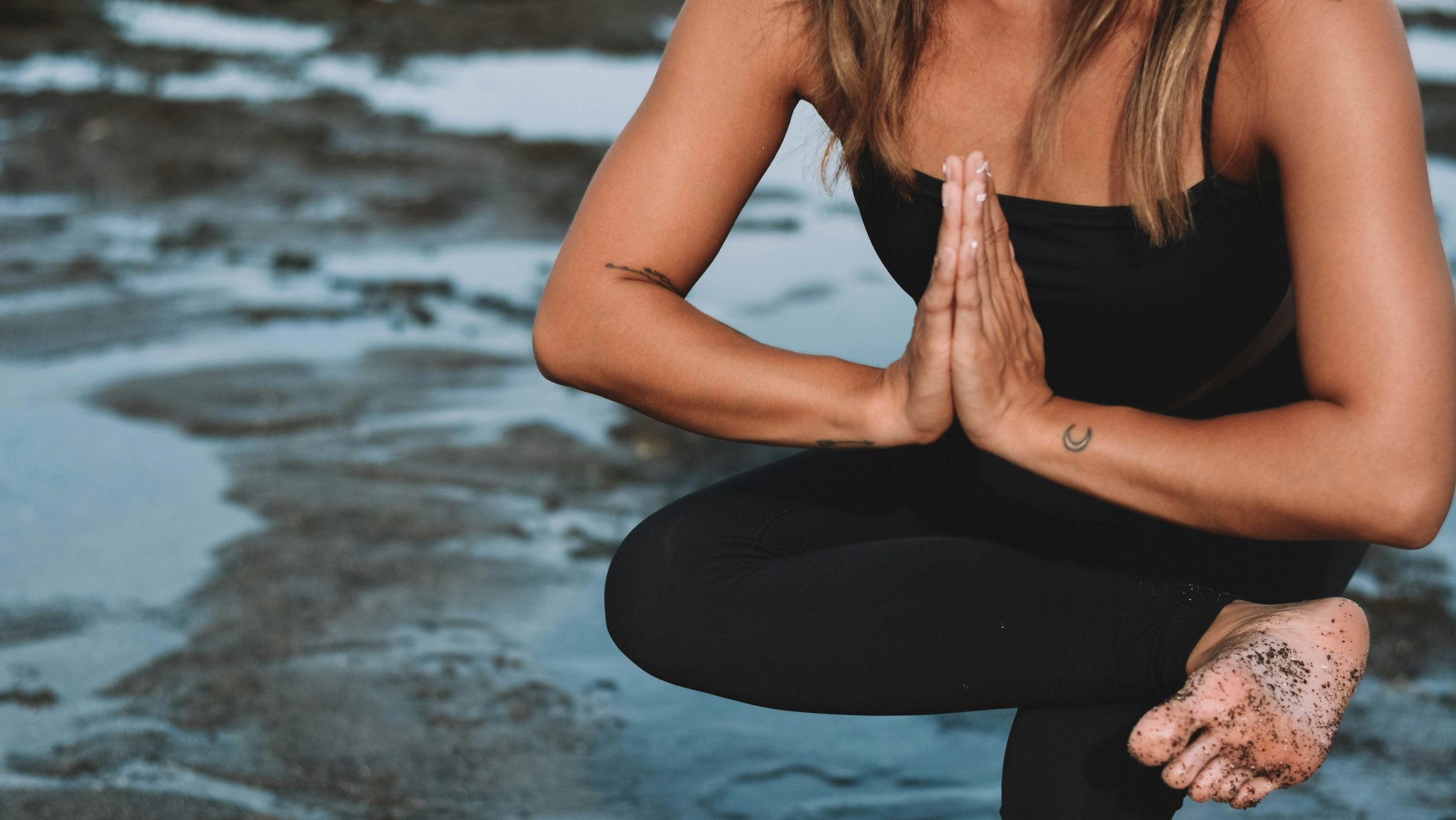
Our own mental health is often underestimated – until we realize that everyday life is overwhelming us, stress is getting the upper hand and our inner balance is tipping. But don’t worry: you can actively do something to strengthen your mental balance. Proactively working on your mental health means giving yourself the best tools to remain stable even in turbulent times. In this article, we show you five effective tools that can help you.
1. Yoga – Connect Body And Mind
Yoga is more than just stretching. The combination of breathing techniques, movement, and meditation has been proven to have a positive effect on the psyche. Regular yoga practice promotes self-awareness and helps to reduce stress. Conscious breathing and mindful movements create an inner calm that you can take with you into your everyday life.
Tip: Start small! Just 10 to 15 minutes a day is enough to feel the first effects. There are numerous free online courses to help you get started.
2. Mindfulness – arriving in the moment
Mindfulness means being consciously in the here and now – without letting yourself be distracted by worries about the future or ruminations about the past. By going through life mindfully, you can learn to observe your thoughts better instead of being overwhelmed by them.
A simple exercise: Sit quietly for a few minutes, close your eyes, and concentrate only on your breath. Feel how the air flows in and out through your nose. As soon as you notice that your thoughts are wandering, gently bring your attention back to your breath.
3. Gratitude – the power of positivity
Practicing gratitude is an underestimated but extremely effective tool to strengthen your mental health. When we regularly and consciously pay attention to the things we are grateful for, we change our thinking in the long term. Instead of focusing on the negative, we focus on what is already going well.
Exercise: Keep a gratitude diary. Every evening, write down three things that you are grateful for. These can be small moments such as the friendly greeting from a neighbor or the cup of tea you were able to enjoy in peace.
4. Self-reflection – gaining clarity about yourself
Self-reflection helps you to better understand your thoughts, behaviors, and emotions. If you reflect on yourself, you gain clarity about your inner life, and you can work on problematic patterns in a more targeted way.
Questions you can ask yourself regularly:
- What situations stressed me out today – and why?
- Was there a moment when I was proud of myself?
- What did I do for my wellbeing today?
A good way to make self-reflection a habit is to keep a journal. Write down your thoughts regularly – without any censorship or pressure to be perfect.
5. Exercise and nutrition – fuel for the psyche
We all know that exercise is good for our physical health. But it is also an effective way to strengthen the psyche. Exercise releases endorphins – so-called happiness hormones – which lift your mood and reduce stress. It doesn’t have to be an intensive workout: a walk in the fresh air can work wonders.
A balanced diet also has a major impact on your mental wellbeing. Your brain needs nutrients to function optimally. A diet rich in fruit, vegetables, healthy fats and plenty of water will help you feel vital and mentally fit.
Bonus tool: Coaching
Sometimes it’s good to get outside support. Professional coaching helps you to gain clarity, remove blockages and develop concrete steps for your personal growth. Unlike therapy, coaching aims to help you achieve your goals and develop your potential.
You are your most important project
Strengthening your mental health is not a one-off task, but a lifelong process. But the good news is: you are in control. By integrating tools such as yoga, mindfulness, gratitude, self-reflection, exercise and nutrition into your everyday life, you can gradually find more balance and inner peace. The important thing is to give yourself time and be patient with yourself.
Try out different methods and find out what works best for you. And remember: you are your most important project – it’s worth investing in yourself.
Learn more about the many positive effects of gratitude on stress management and mental health or discover the positive effect of hatha yoga on the subjective perception of stress, stress reactivity and mindfulness levels.