
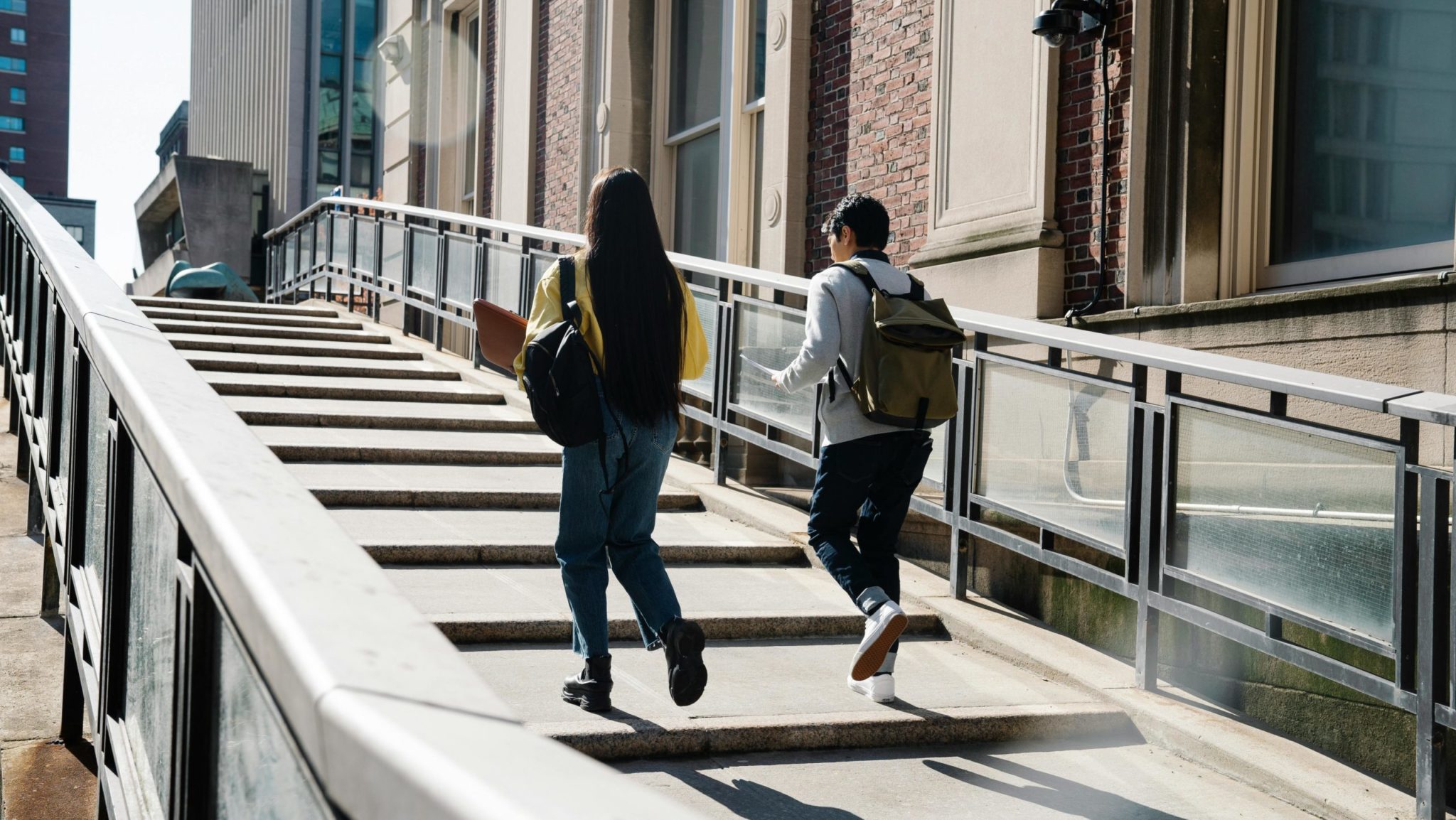
Lack of exercise is a growing problem in our modern society, characterized by sedentary activities and increasing technologization. Constant periods of sitting without exercise have serious long-term effects on health prompting the World Health Organization (WHO) to develop recommendations for adequate physical activity in everyday life. In this blog post, you can find out what these recommendations are, who is particularly affected by a lack of exercise and how you can easily integrate exercise into your everyday life.
The hidden dangers of a sedentary lifestyle
Physical health:
- Cardiovascular diseases: A sedentary lifestyle raises the risk of high blood pressure, heart attacks, and strokes.
- Overweight and obesity: Physical inactivity often results in a positive energy balance, contributing to weight gain.
- Type 2 diabetes: Lack of exercise impairs glucose metabolism and increases insulin resistance.
- Osteoporosis: Less strain on the bones can lead to a reduction in bone density.
- Muscle wasting: Lack of exercise leads to muscle wasting, which can increase mobility problems and has an impact on metabolism.
Mental health:
- Depression and anxiety disorders: Regular exercise promotes the release of happiness hormones such as endorphins. If these are lacking, there is an increased risk of developing depression or an anxiety disorder.
- Cognitive impairment: Cognitive decline: Physical inactivity has been linked to an elevated long-term risk of dementia.
Further effects:
- Immune system: Insufficient exercise weakens the immune system.
- Sleep quality: Lack of exercise can lead to sleep disorders.
Who is particularly affected?
- Working people: People with predominantly sedentary jobs (e.g. office workers) are particularly susceptible.
- Older people: Physical activity often decreases with increasing age.
- Children and young people: Increasing use of digital devices reduces time for exercise and play.
- People with chronic illnesses: This group often faces additional barriers to physical activity.
WHO guidelines for staying active
The World Health Organization (WHO) provides clear guidelines for sufficient physical activity in everyday life:
- Adults: At least 150-300 minutes of moderate activity or 75-150 minutes of vigorous activity per week. In addition, strength exercises are recommended at least two days a week.
- Children and adolescents: At least 60 minutes of exercise per day, mainly of moderate to intense intensity.
- Older people: Movements to improve balance and coordination should be integrated, for example to prevent falls.
Practical tips to get moving
Easy to integrate into everyday life:
- Walk or cycle: Opt for walking or cycling for short trips instead of driving.
- Use stairs: Skip the elevator and take the stairs whenever possible.
- Active breaks: Plan a few minutes of exercise every hour (e.g. stretching or short walks).
At work:
- Standing workstations: Alternate between sitting and standing.
- Walking meetings: “Walking meetings” instead of meetings in the conference room.
- Active commuting: If possible, cover parts of the journey to work on foot or by bike.
Leisure activities:
- Hobbies involving exercise: Dancing, swimming, bouldering, team sports or similar help to maintain the joy of movement and stay fit at the same time.
- Digital helpers: Fitness apps or pedometers can motivate you to incorporate exercise every day.
- Community: Organize activities with friends or family that encourage movement, e.g. on a walk, hike, bike tour, visit to the swimming pool, etc.
Targeted exercises:
- Yoga or Pilates: These sports not only strengthen the body, but also the mind and make us feel good all round.
- Gyms or courses: Regular appointments promote commitment and make it easier to get up and exercise. They also promote community and social contacts.
Motivation and rewards:
- Set yourself achievable goals and reward yourself for your successes from time to time.
A lack of exercise has a profound impact on health, but can be overcome by making simple adjustments to everyday life. Consciously integrating exercise is essential not only for physical health, but also for mental health. Even small changes such as regular walks or climbing stairs, can have a big impact. It’s never too late to get active!
Further information with studies can be found here on the World Health Organization website.