
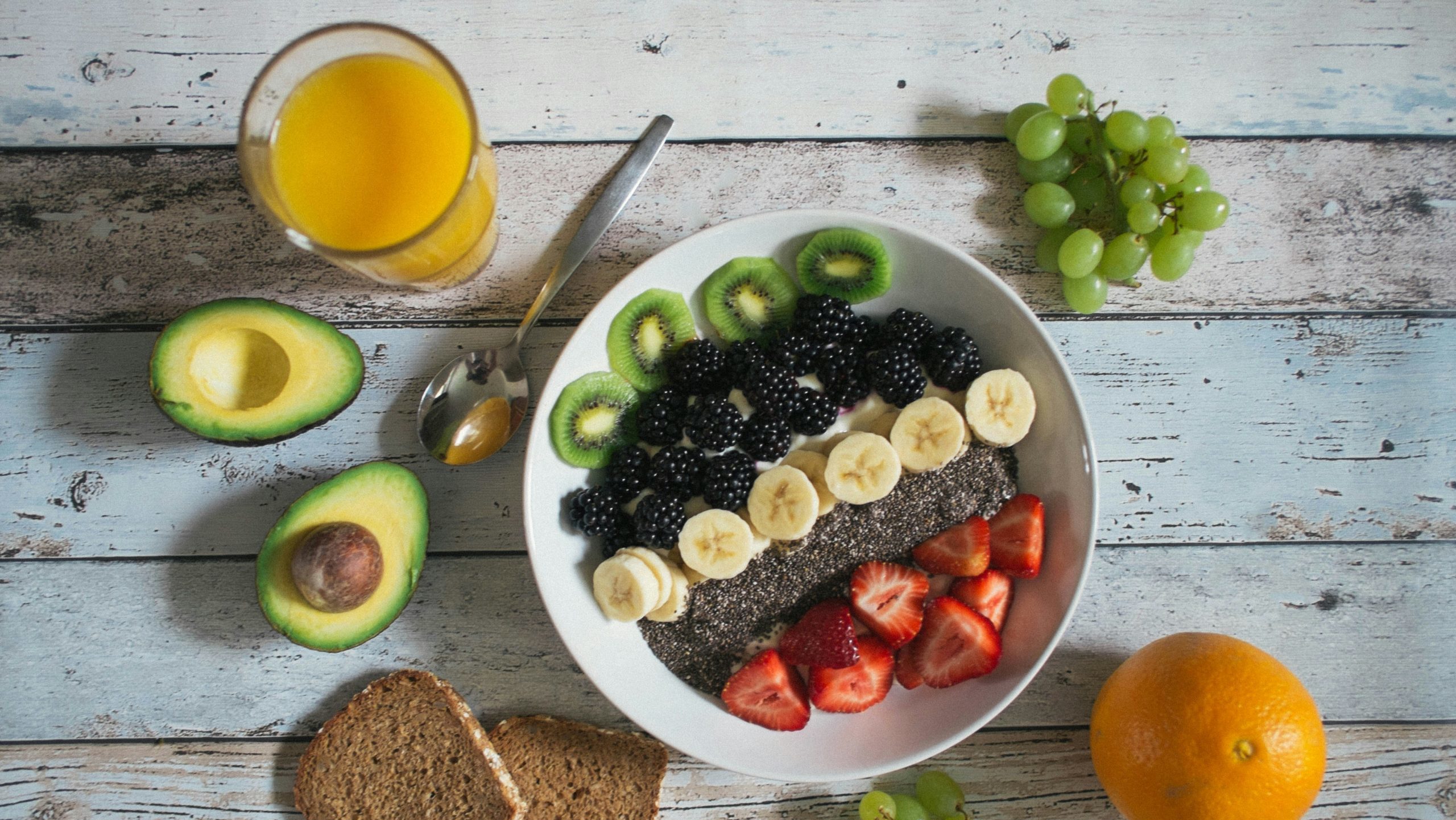
Healthy eating is often associated with the cliché of being expensive and time-consuming. However, a balanced diet is particularly important in the stressful everyday life on the construction site in order to get through the working day full of energy. A healthy diet doesn’t necessarily have to break the budget. With a few simple tips, a nutritious and inexpensive diet can be easily integrated into everyday working life.
1. Meal Prep
Be creative in the kitchen and plan meals so that they are suitable for several days. Simple recipes that are easy to portion and reheat are ideal. A colourful mix of vegetables, proteins (such as chicken or legumes) and wholegrain products, for example, will provide you with sufficient nutrients and is very versatile in terms of preparation. By always having your meal to hand, you won’t even think about getting or ordering something from a takeaway. You can also use leftovers for new dishes to avoid wasting food. A vegetable soup or a colourful salad made from leftover vegetables is not only delicious, but also saves resources.
2. Buy seasonally and locally
Fresh fruit and vegetables are the basis of a healthy diet. Try to integrate seasonal greens into your diet, as fruit and vegetables are usually more plentiful and cheaper when they are in season. This means you can not only make your meals sustainable, but also enjoy them at a reasonable price.
3. Shop smart
Plan what food you need before you go shopping and draw up a shopping list. This will prevent you from making spontaneous and often expensive purchases. Look out for special offers and discount promotions and take a look at the supermarkets’ own brands – they are often just as good as the more expensive branded products.
Many staple foods such as rice, pasta and legumes are inexpensive anyway and can be used in many different ways in the kitchen. Frozen vegetables are also a cost-effective alternative to fresh produce and often contain just as many or even more nutrients as they are flash-frozen fresh from the harvest.
4. Don’t forget to drink
Water is an essential part of a healthy diet. Instead of reaching for expensive sugary drinks, opt for tap water or cheap mineral water. A reusable drinking bottle is not only environmentally friendly, but also helps you stay hydrated when you’re stressed at work.
Conclusion: Eating healthy without straining your budget
With small adjustments to your food choices and shopping habits, a balanced diet can also be realised at low cost. Meal prep, seasonal shopping and the conscious selection of inexpensive staple foods are the key to a healthy diet that is good for both your body and your wallet.