
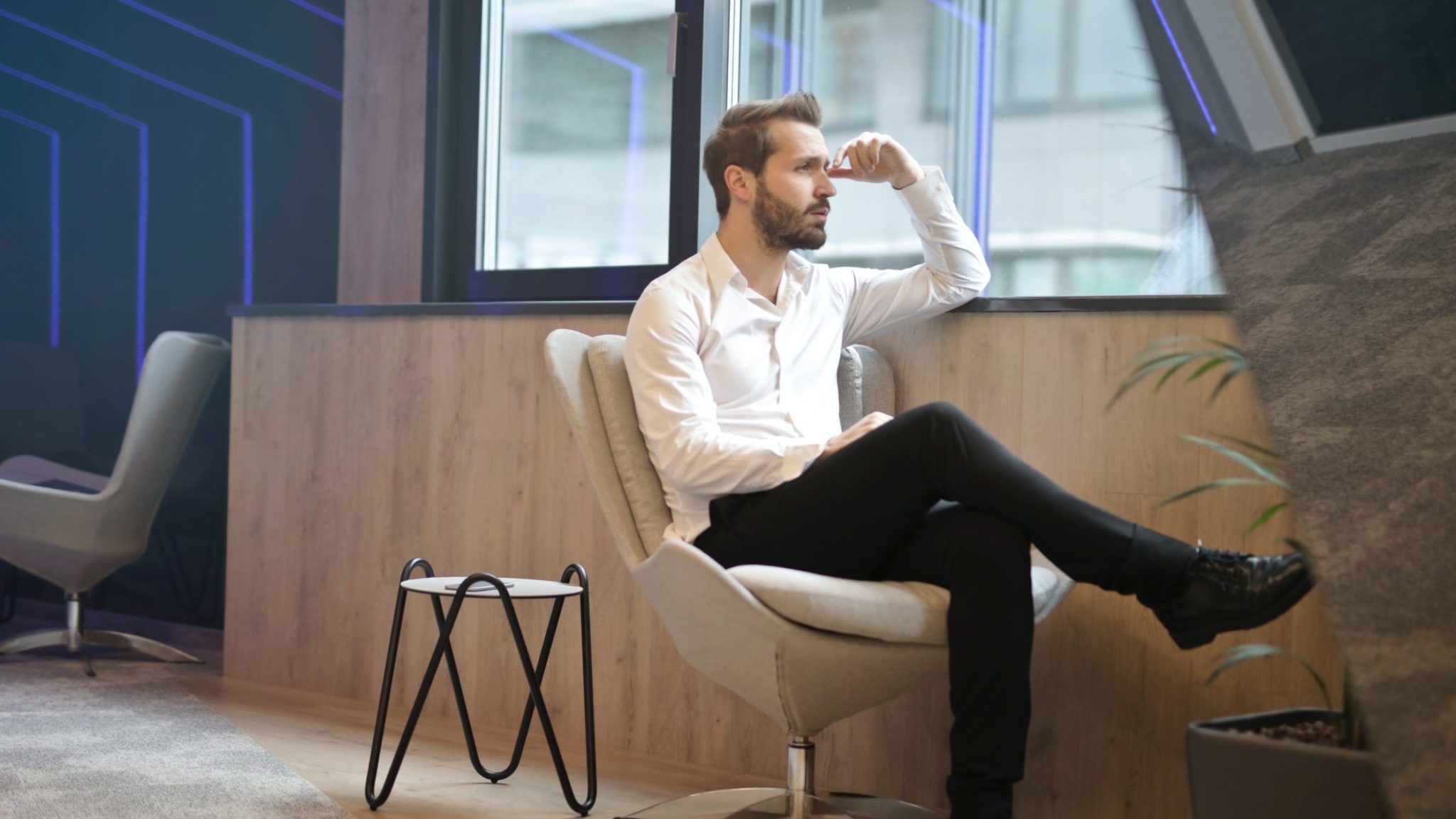
In today’s world, a significant portion of our time is spent sitting. Commuting to work by bus, train, or car, along with prolonged hours in front of a laptop, and relaxing on the sofa in the evenings – Germans sit on average 9.2 hours daily (DKV Report). This inactive lifestyle, coupled with potentially poor sitting postures, can harm our health in the long run and increase the risk of numerous diseases. In this post, we’ll explore the effects of this lifestyle and discuss recommendations.
Exercise Recommendations
The World Health Organization (WHO) recommends 150 to 300 minutes of moderate to intense exercise per week or 75 to 150 minutes of high-intensity exercise. A combination of strength and endurance training is ideal. Additionally, increasing everyday movement, like walking or cycling short distances, is advisable to enhance overall activity.
Risks of Physical inactivity
Our musculoskeletal system suffers significantly due to constant physical inactivity, as blood circulation slows down, leading to stagnation. Moreover, the oxygen levels in our blood drop, cell metabolism decreases, unused muscles weaken, and joints lack lubrication, potentially causing conditions like osteoarthritis or rheumatoid arthritis. A predominantly sedentary lifestyle is also linked to obesity or adiposity, negatively impacting cardiorespiratory health – affecting our breathing and oxygen supply. Additionally, general metabolism suffers from inactivity, increasing the risk of heart diseases, various cancers, and type 2 diabetes.
Positive Effects of Exercise on Our Body
Regular physical activity or exercise allows us to make a significant contribution to our health and prevent numerous diseases. Regular training strengthens cartilage, ligaments, tendons, and muscles. Strong muscles, in turn, reduce joint strain, absorb shocks, and protect against joint injuries. Exercise also improves cardiorespiratory health, boosts metabolism, enhances overall musculoskeletal health, and reduces the risk of breast and colon cancer. An essential aspect, especially as we age, is fall prevention. Regular training can ensure older individuals stumble less, as they have the necessary leg muscles to lift their feet during daily activities or, in the event of a fall, to get back up.
Psychological Effects of Physical Inactivity
Lack of physical activity also significantly impacts our mental health. Mental disorders like anxiety and depression can be exacerbated, leading to sleep disturbances, extreme mood swings, and increased stress sensitivity. Moreover, inadequate movement at work can result in reduced brain performance, leading to decreased concentration and creativity. Conversely, exercise has positive effects on our mental health. It generally enhances our well-being and quality of life, reducing stress responses, anxiety, and depression. Furthermore, regular exercise can reduce the risk of diseases like Alzheimer’s and other forms of dementia.
Tips to Incorporate More Movement into Your Day
- Take Short Breaks: Schedule brief standing and walking breaks. Set a reminder on your smartphone or watch to prompt you to stand up. Take short walks while seated, such as when getting a drink.
- Move During Phone Calls: If possible, stand or walk while making phone calls, whether during work hours or at home.
- Outdoor Breaks: Instead of sitting in the break room, spend a few minutes outdoors for a short walk. Invite your colleagues; it’s more enjoyable in a group.
- Take the Stairs: Opt for stairs instead of elevators. After a few times, you’ll find it easier, and soon, climbing stairs won’t feel strenuous.
- Active Commuting: If feasible, walk or bike to work instead of using public transport or driving. If the distance is too long, park your car farther away or get off the bus one stop earlier and walk the remaining distance.
- Find Enjoyable Activities: Explore a sport you enjoy. It doesn’t always have to be the gym! Swimming is fun, improves endurance and muscles, and is joint-friendly. On weekends, go for a bike ride with friends or take a short walk before bedtime. If the gym is your preference, check out the class offerings; there might be something suitable.
One Last Tip:
Always remember the old saying: “Every step counts,” and in the realm of exercise: “Once is better than none.”