
Throughout human history, stress has always been closely linked to movement. In the past, threats often came in the form of dangerous animals – it was literally a life-or-death race. Luckily, those times are behind us. Yet the same mechanisms still help us understand why movement is so important for relieving stress today.
Even in our modern lives, we regularly encounter stressful situations. Just like back then, these situations trigger the release of stress hormones such as cortisol, adrenaline, and noradrenaline. At the same time, blood sugar levels rise to provide the body with quick energy. If these substances are not properly regulated, they can accumulate and potentially have long-term negative effects on our health.
How Can We Reduce Stress?
Physical activity is one of the most effective ways to release pent-up stress. Exercise stimulates the production of serotonin and endorphins – hormones that promote relaxation and balance the effects of stress hormones.
And it doesn’t have to be an intense gym session that leaves you exhausted. Even gentle forms of movement, challenging enough to engage you but not overwhelm you, can create a soothing and restorative effect.
Give Yoga a Try
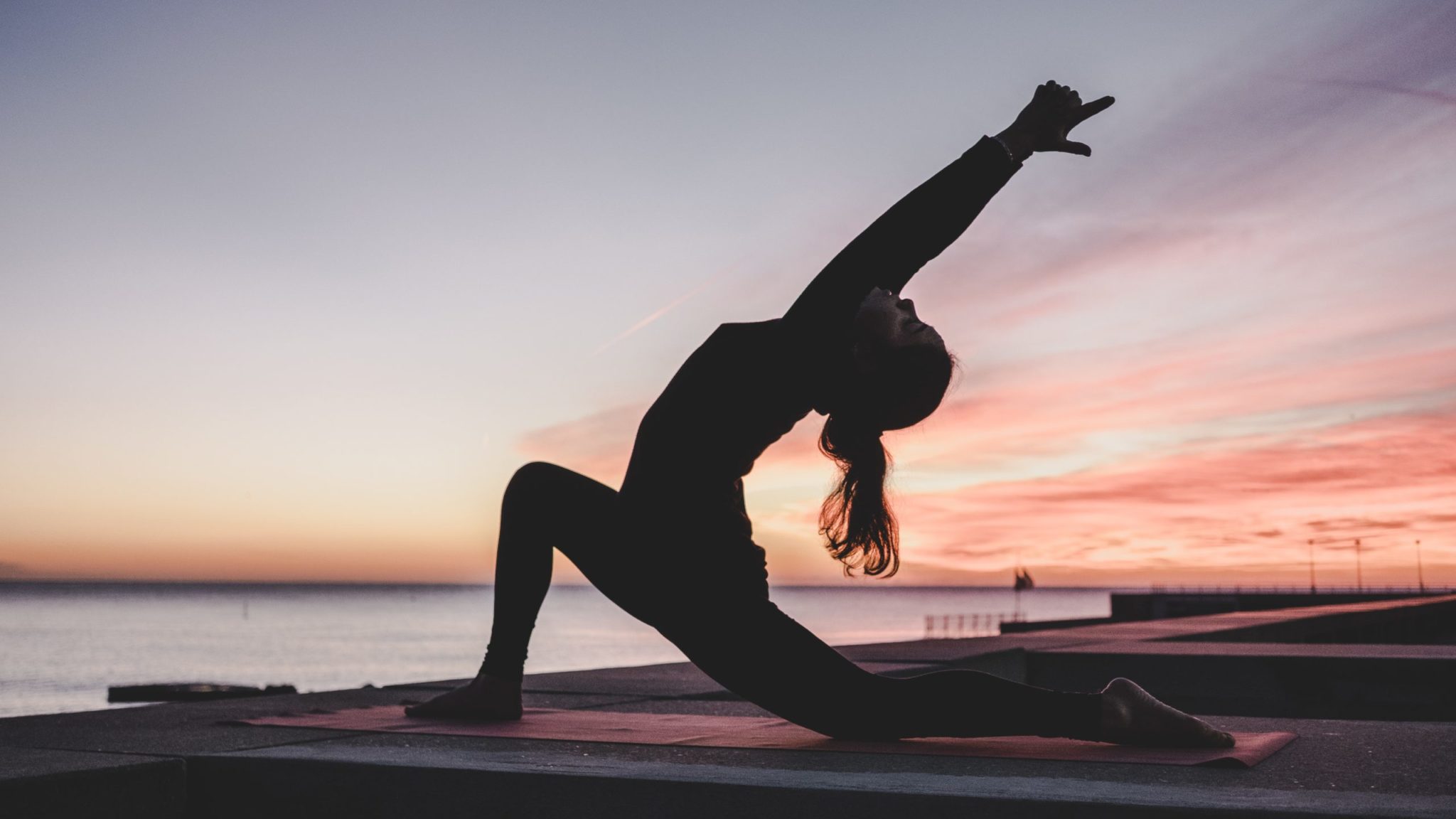
Yoga has been growing in popularity – and for good reason. It benefits both physical and mental health. The flowing movements, combined with mindful breathing techniques, promote relaxation and replenish energy.
At the same time, yoga improves flexibility, balance, muscular endurance, and strength – offering benefits for the whole body.
There are many different styles of yoga. Hatha Yoga is particularly well-suited for beginners. It focuses on gentle body and breathing exercises, often complemented by meditation. This combination is especially effective for stress relief and nurturing emotional well-being.
Tip: YouTube and other platforms offer a wealth of free yoga videos. Why not try a virtual yoga class and see how it feels?
Walking in Nature
The best things in life are often free – like a walk in nature. Research shows that even short time spent outdoors can lower stress levels and boost the immune system.
One reason is that nature exposes us to fewer sensory distractions. Smartphones, screens, TV, radios, traffic noise, or neighborhood sounds – all constantly challenge our senses. In natural settings, however, our senses can focus on a small number of calming stimuli – without effort.
It’s worth exploring your nearest forest, park, or lake and incorporating regular walks into your routine.
Tip: Make your walk a habit. Schedule a weekly forest walk, for example. Did you know that the smell of damp earth can positively affect your mood? Even a bit of rain can add to the experience.
Movement Should Be Fun
This is rule number one! There are countless ways to be active, and everyone has their own preferences.
Give yourself the opportunity to try different activities and discover your favorites. Maybe you enjoy group or club sports? The social aspect can be highly motivating, and set training times help you stay consistent.
You can also mix indoor and outdoor sports. Perhaps you enjoy working out at home on a mat, integrating yoga, Pilates, or other home workouts into your routine.
Why Rest Periods Matter
If you exercise regularly, it’s important to schedule recovery periods. Different rules apply to endurance training (e.g., running or swimming) versus strength training (e.g., weightlifting). After intense endurance sessions, one to two days of rest can be beneficial. For strength training, two to four days of rest are generally recommended for the muscle groups involved.
Your individual fitness level also plays a role. Experienced athletes may need shorter recovery times, while beginners might require longer breaks. Honest self-assessment is essential for long-term performance and well-being.
Movement is more than just exercise – it’s a natural counterbalance to our often hectic lives. Even small, regular bouts of activity can help reduce stress, boost energy, and support long-term health. Find a form of movement that feels good and brings you joy – your body and mind will thank you.
Further reading:
Antonelli, M., Barbieri, G., & Donelli, D. (2019). Effects of forest bathing (shinrin-yoku) on levels of cortisol as a stress biomarker: a systematic review and meta-analysis. International journal of biometeorology, 63(8), 1117–1134. https://doi.org/10.1007/s00484-019-01717-x
De Nys, L., Anderson, K., Ofosu, E. F., Ryde, G. C., Connelly, J., & Whittaker, A. C. (2022). The effects of physical activity on cortisol and sleep: A systematic review and meta-analysis. Psychoneuroendocrinology, 143, 105843. https://doi.org/10.1016/j.psyneuen.2022.105843
Schleinzer, A., Moosburner, A., Anheyer, D., Burgahn, L., & Cramer, H. (2024). Effects of yoga on stress in stressed adults: a systematic review and meta-analysis. Frontiers in psychiatry, 15, 1437902. https://doi.org/10.3389/fpsyt.2024.1437902