
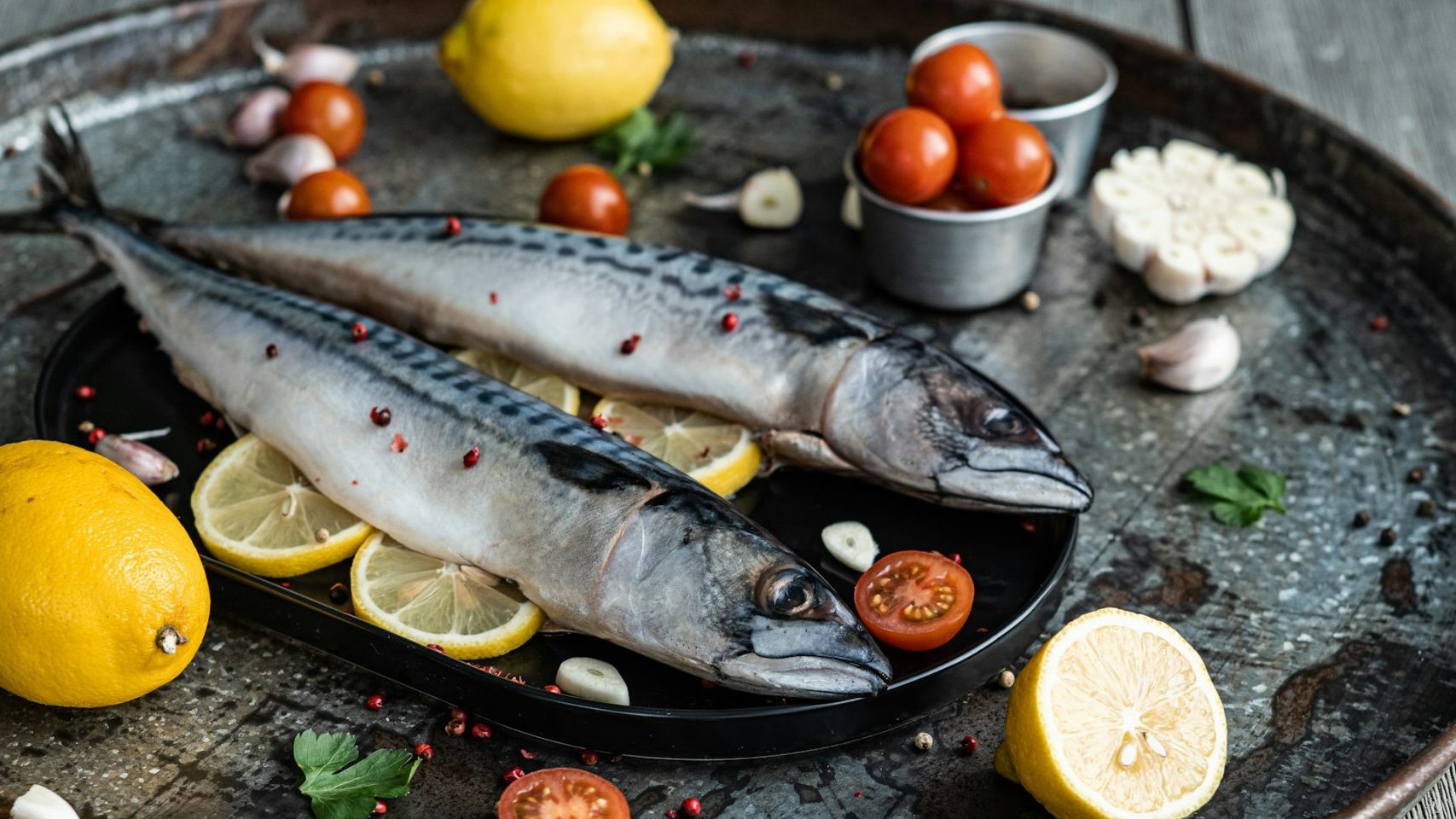
Fish has long been considered part of a balanced diet. At the same time, questions continue to come up: What health benefits does fish actually provide? What role do contaminants and environmental factors play? And are there plant-based alternatives that offer similar nutrients?This post provides an overview of the most relevant current information to help you make informed choices in your daily life.
Understanding the nutrients in fish
Fish provides high-quality protein, which the body needs to maintain and build tissue. It also contains a variety of vitamins and minerals, including vitamin D, iodine, selenium, and vitamin B12. The exact amounts depend on the species of fish and where it comes from. However, fish is best known for its content of omega-3 fatty acids. These polyunsaturated fatty acids have anti-inflammatory properties and support, among other things, brain and heart function.
Fish species also vary considerably in their fat content. While cod, plaice, and pollock are relatively lean, salmon, herring, and mackerel contain significantly more fat. However, this is not necessarily a disadvantage. Fatty fish often provide higher amounts of the omega-3 fatty acids EPA and DHA. So when buying fish, it is worth paying attention to the type and composition of the fats, rather than focusing on the total fat content alone.
Taking environmental contaminants seriously
Fish is often discussed in the context of environmental factors that may also affect the people who consume it. Certain heavy metals can accumulate in fish through the food chain. Larger and longer-lived predatory fish, in particular, often contain higher levels because they feed on smaller species. Eating a varied diet and choosing different types of fish can help limit exposure to individual contaminants.
In addition to heavy metals, microplastics have been detected in many bodies of water and may therefore also be present in fish. Research is ongoing to determine the long-term effects these contaminants may have on human health. Current evidence suggests that the risks are low. Nevertheless, it is generally a good idea to consider both the benefits and potential risks of different foods when making purchasing decisions.
Considering sustainability
When buying fish today, you are often making more than just a dietary choice. You are also having an impact on the environment. Fish stocks, fishing methods, and aquaculture systems can differ considerably. While some fish populations are considered relatively stable, others face significant pressure from overfishing and environmental change.
Aquaculture, which involves raising fish in controlled facilities, can also be associated with environmental impacts. Depending on how it is managed, factors such as feed production, medication use, wastewater discharge, and high resource consumption may have ecological consequences.
Therefore, it is worth looking for information about a product’s origin and recognized sustainability certifications. This can help you make more informed purchasing decisions. For example, two salmon products may have similar nutritional values but differ significantly in terms of origin, transportation routes, and production methods. Taking this information into account can help you make a more balanced choice for both your health and the environment.
Exploring plant-based alternatives
Not everyone wants to eat fish regularly. Some people avoid fish for environmental reasons, while others do so because of personal preferences or taste. The good news is that some plant-based alternatives offer similar health benefits.
Good sources of plant-based omega-3 fatty acids include canola oil, walnuts, and seeds, such as flax, chia, and hemp seeds. These foods primarily contain the omega-3 fatty acid ALA, which the body can partially convert into EPA and DHA. Algae oils are another interesting option. They provide EPA and DHA directly and are therefore often used as a plant-based alternative to fish oil.
Many of the other nutrients found in fish can also be obtained from plant-based foods. For example, legumes and whole grains provide both protein and a variety of minerals. Foods that contain selenium in addition to vitamins include edible mushrooms such as button mushrooms and porcini mushrooms, as well as various types of cabbage. A varied diet allows you to combine different sources of protein, vitamins, and minerals, helping you create a broader nutritional foundation.
You now know which nutrients fish can provide and how to assess the nutritional quality and fat content of fish products. You have also gained an overview of contaminants and sustainability considerations. With this knowledge, you can make more informed decisions about the role fish and plant-based alternatives will play in your diet.
You can find further information on this topic here:
Bundeszentrum für Ernährung. (2026, 23. März). Fisch und Meeresfrüchte: Gesundheit und Umwelt. https://www.bzfe.de/kueche-und-alltag/vom-acker-bis-zum-teller/fisch-und-meeresfruechte/fisch-und-meeresfruechte-gesundheit-und-umwelt
Deutsche Gesellschaft für Ernährung. (o. J.). Regelmäßig Fisch auf den Tisch!. https://www.dge.de/presse/meldungen/2011-2018/weniger-fleisch-auf-dem-teller-schont-das-klima/dge-empfiehlt-auf-fettmenge-und-qualitaet-achten/regelmaessig-fisch-auf-den-tisch/
Swanson, D., Block, R., & Mousa, S. A. (2012). Omega-3 fatty acids EPA and DHA: health benefits throughout life. Advances in nutrition (Bethesda, Md.), 3(1), 1–7. https://doi.org/10.3945/an.111.000893