
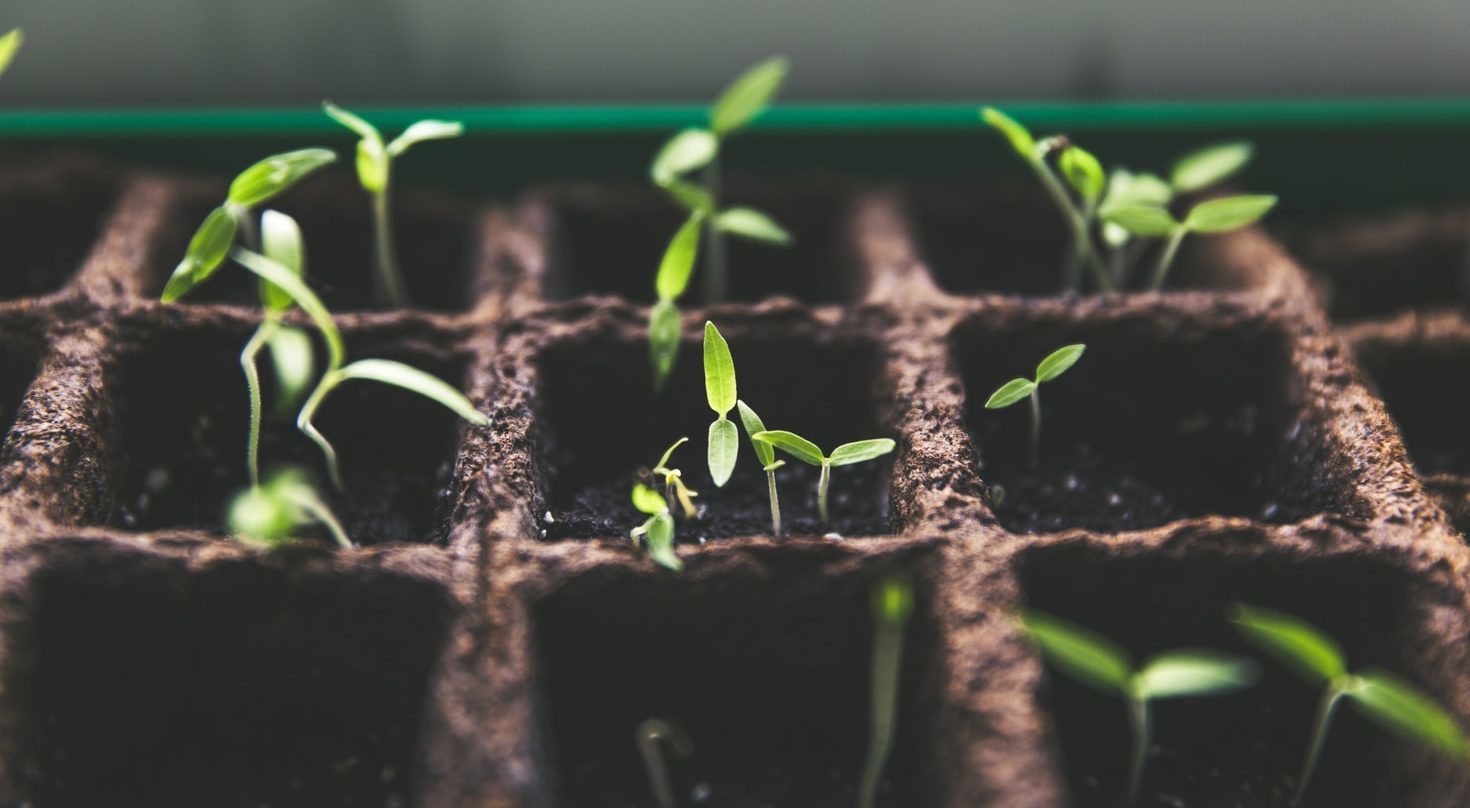
Change can be a tricky topic: sometimes we wish for it, but most of the time we fear it or even avoid it. Humans are creatures of habit – we’re often not big fans of change. After all, it usually comes with effort: we have to step out of our comfort zone and take the risk that the new situation might not suit us. In today’s fast-paced world, however, change is part of everyday life. That’s why it’s so important to learn how to deal with it effectively and to grow through it – and this is entirely possible.
Routines and habits for a sense of security
The world we live in is highly complex. It would be incredibly exhausting and overwhelming if we had to make conscious decisions for every single action. Imagine, for instance, having to consciously decide every time you drive a car which gear to use or to stay on the correct side of the road. Not only would that be tedious, but it would also take up enormous amounts of time and energy.
Our brains have developed a clever strategy for this: saving energy through habits. This means we develop routines to simplify recurring tasks in daily life and make them more efficient. For example, you’ve probably internalized how to prepare your favorite breakfast or how to ride a bike automatically. Consciously or unconsciously, we often strive to maintain these routines rather than seek new experiences. Knowing – or at least believing we know – what lies ahead gives us a sense of control over our lives. And that sense of control provides security.
Seeing change as an opportunity
Change is not just about effort and adjustment – it also carries enormous potential for personal growth. Clinging to habits can have the opposite effect of what we truly want: stagnation and a feeling of being stuck. Sometimes, the changes we initially resist are precisely the ones that ultimately benefit us the most.
The key question, then, is: how can we feel secure while still growing through change? How can we use change as a catalyst for development? Here are a few tips to help you become more resilient, emerge stronger from crises, and learn to see the positive side of change.
1. Accept your fear
Acknowledge where you are right now. What change is ahead of you, or already in progress? Does this change scare you? If so, face your fear by accepting it and admitting it to yourself. Take time to reflect: what are you afraid of losing through this change, and what could you gain? What’s the worst that could happen, and what’s the best?
It can also help to confide in someone you trust. They can offer support and possibly a new perspective. It’s equally important to accept the feelings that arise with change. Everything you feel is valid – and nothing lasts forever.
2. Recognize your strengths and resources
Fear of change often arises because we doubt our ability to handle the challenges it brings. In such moments, it helps to consciously remember what you have already accomplished and which strengths and resources helped you along the way. You probably have more than you think.
You can also create a “resources mind map” listing people, places, activities, and things that give you energy and support you. Don’t forget to include your own resources: personal strengths, skills, experiences, or traits you can rely on in difficult situations – for example, perseverance, creativity, humor, or the ability to ask for help.
3. Look to the future with optimism
A positive mindset can work wonders – especially when it comes to the future. When we believe we can handle change, encourage ourselves, and know our strengths, we harness the power of positive focus to our advantage.
Of course, this confidence doesn’t develop overnight. Keeping a gratitude or success journal, in which you write down three things each day that went well or that you are grateful for, can help. This makes your achievements and the positive aspects of your life more tangible, sharpens your awareness of future opportunities, and boosts your self-confidence.
4. Take smaller steps
Fear of change is easier to manage when we break big goals or milestones into smaller steps. Change is a process – and rarely does everything need to happen at once. Adjusting gradually and getting used to small changes is often easier than confronting major changes all at once.
This approach can also strengthen your sense of control, especially when everything around you seems uncertain. Even though we cannot control everything, there are always areas where we can focus and act deliberately. You might even record your small successes in your success journal.
Change is part of life
In summary, change can feel threatening, but it is an essential part of life and a powerful catalyst for growth. It invites us to rediscover ourselves, explore new aspects of who we are, and experience life from fresh perspectives. All of this can be highly fulfilling and enriching.
As Goethe once said: “Life belongs to the living, and those who live must be prepared for change.” Change doesn’t have to be frightening – we already have everything we need within ourselves and around us. The big secret of change? Don’t fight the old; instead, focus your energy on creating the new. Dare to take the leap – embrace change. You’ve got this!
Further information on this topic can be found here:
Woolley, K., & Fishbach, A. (2022). Motivating personal growth by seeking discomfort. Psychological Science. https://doi.org/10.1177/09567976211044685
Mendelsohn, A. I. (2019). Creatures of habit: The neuroscience of habit and purposeful behavior. Biological Psychiatry, 85(11), e49–e51. https://doi.org/10.1016/j.biopsych.2019.03.978
Maurer, M. M., Maurer, J., Hoff, E., & Daukantaitė, D. (2023). What is the process of personal growth? Introducing the Personal Growth Process Model. New Ideas in Psychology, 70, 101024. https://doi.org/10.1016/j.newideapsych.2023.101024