
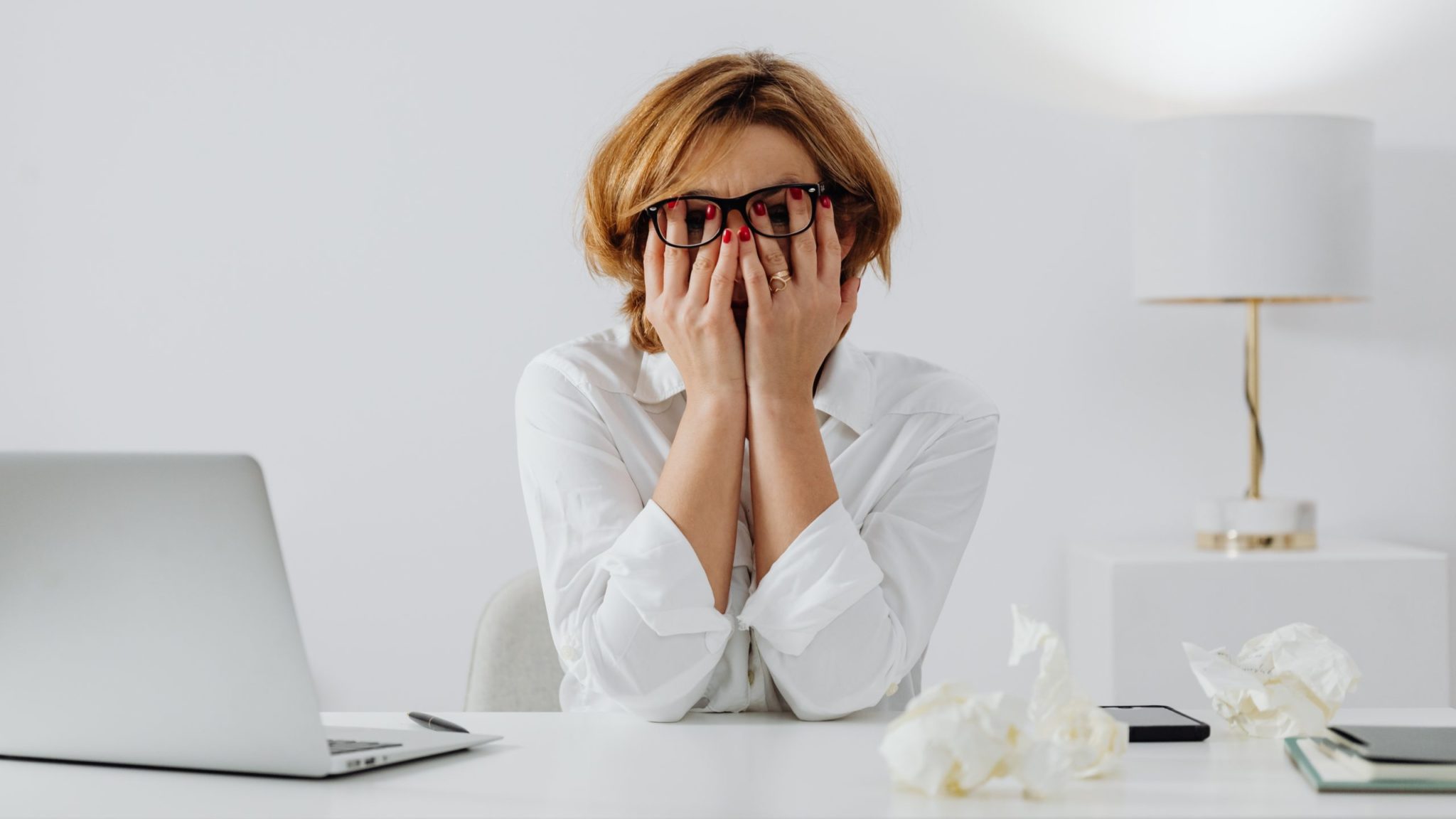
Constant availability, high performance pressure, and changing demands means that stress has almost become the norm in today’s fast-paced world. At the same time, mental health problems are on the rise: on average, one in four Germans develops a mental disorder at least once in their lifetime, and one in two reports experiencing severe stress. Stress itself is a significant risk factor for both mental and physical illness. But what exactly is stress? How does it arise, and how can we reduce it and learn to handle it better? In this article, we’ll share practical techniques to help you cope with everyday stress and worries, so you can stay calm even when life feels turbulent.
What is stress?
Stress tends to have a negative reputation, but there’s a good reason we sometimes feel stressed. In the past, stress was even essential for survival, helping us respond to acute threats. Take a tiger attack as an example: in a situation like that, the sympathetic nervous system is activated and prepares the body for an emergency, triggering a stress response. Stress hormones such as adrenaline and cortisol are released, your pulse rises, your heart rate increases, your airways widen, and less urgent processes like digestion slow down. All of this serves one purpose: to boost performance so you can get to safety as quickly as possible, away from the danger, in this case the tiger. If this activation is followed by physical action, such as fleeing or fighting, the energy provided is used productively. Stress hormones are then broken down again, and the body can relax.
Today, however, the stressors that trigger this response are rarely life-threatening. More often, they’re things like an important deadline, a boss, or conflict with a partner, stressors that don’t appear only occasionally, but can be present throughout everyday life. That can quickly lead to a state of chronic stress.
What we personally perceive as stressful is highly individual and influenced by our perception, our beliefs about the world, and our overall worldview, our “personal filter.” In other words, different situations, people, and thoughts stress different people out. So how can we cope with stress? How can we calm down and perhaps even change the way we perceive potential stressors?
How to handle stress better
- Tackle stress at the root
Stress arises from the way we evaluate and interpret situations. What beliefs could you modify or let go of? Take a moment to reflect on your view of the world and the judgments you make about possible stressors. Are they really as threatening as they feel right now? Can you release certain beliefs and interpretations? - Get active
As we’ve seen, the stress hormones released during a stress response can naturally be reduced through fight or flight action. The same principle works with exercise, too. Move your body and work up a sweat when you feel especially stressed, as this can help break down stress hormones and leave you feeling more relaxed. - Focus on your resources
Resources strengthen our resilience and ability to cope. Take a moment to notice which supportive people, places, and things in your life give you strength. - Try relaxation techniques
As the name suggests, relaxation techniques, such as progressive muscle relaxation, autogenic training, or a body scan, are designed to help you intentionally enter a state of calm. Many people notice positive effects even the first time, and the benefits often increase over time. Meditation can also support stress reduction, relaxation, and a greater sense of ease.
Stress, be gone!
Stress is part of life, but you don’t have to simply “endure” it on your own. When you learn to interpret your stressors more consciously, move regularly, strengthen your resources, and build small relaxation routines into your day, you send your body and mind a clear message: everything is under control. Start small, one step, one exercise, one quiet moment, and you’ll notice how calmness can return and rebuild over time.
Further information on the topic can be found here:
American Psychological Association. (2024, October 21). Stress effects on the body. https://www.apa.org/topics/stress/body
Khir, M. S., Wan Mohd Yunus, W. M. A., Mahmud, N., Wang, R., Panatik, S. A., Mohd Sukor, M. S., & Nordin, N. A. (2024). Efficacy of progressive muscle relaxation in adults for stress, anxiety, and depression: A systematic review. Psychology Research and Behavior Management, 17, 345–365. https://doi.org/10.2147/PRBM.S437277
Li, X., Huang, J., & Zhu, F. (2025). The optimal exercise modality and dose for cortisol reduction in psychological distress: A systematic review and network meta-analysis. Sports, 13(12), 415. https://doi.org/10.3390/sports13120415