
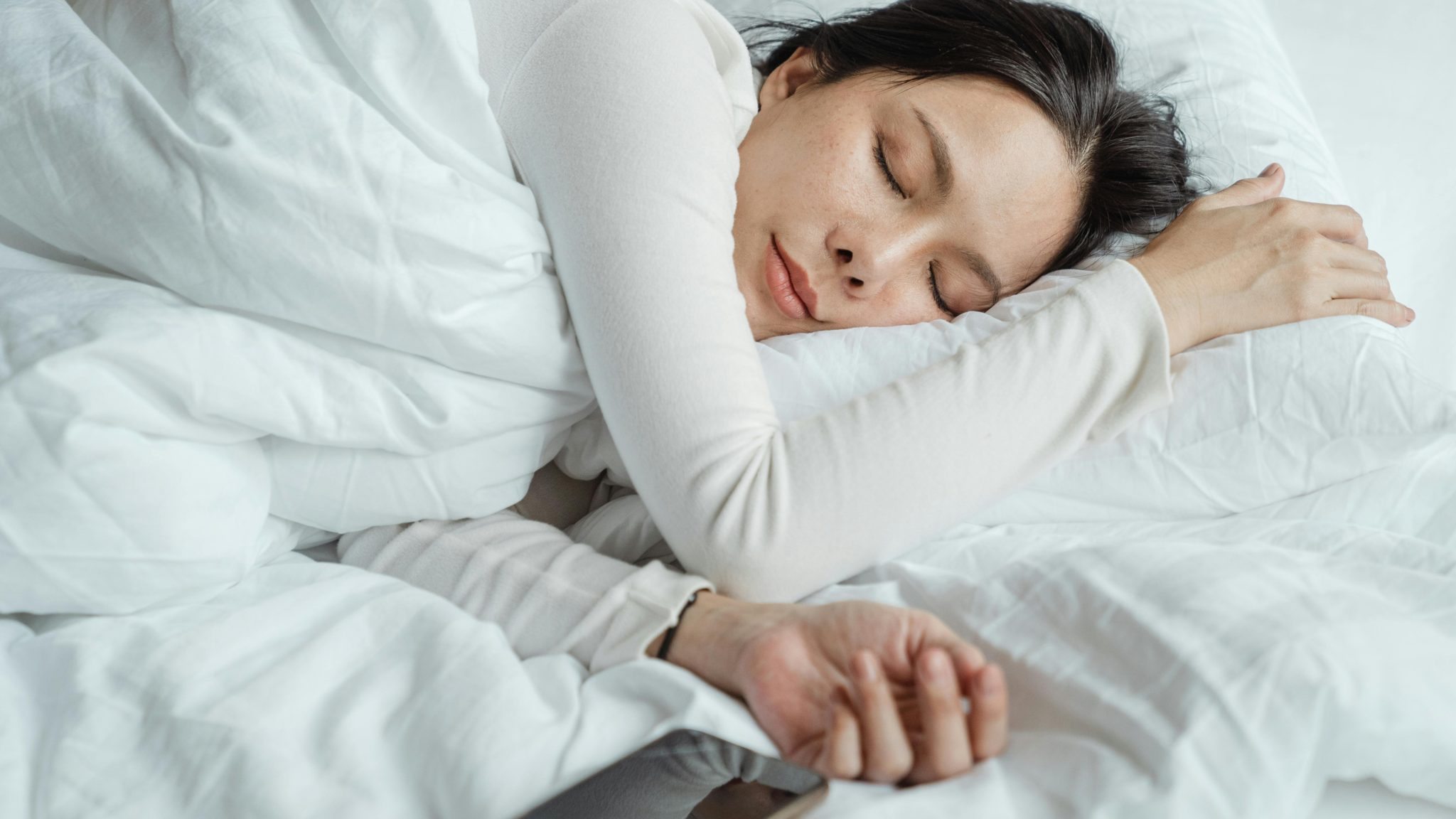
The alarm goes off, but you feel like you barely slept or maybe you wake up multiple times during the night and still wonder in the morning why you’re so tired. No surprise, then, that many people want more insight into their sleep – and turn to sleep trackers. The options are endless: smartwatches, rings, mats, apps.
But what do the data really mean – and who actually benefits from tracking sleep?
What does a sleep tracker actually measure?
Most sleep tracking devices use movement, heart rate, heart rate variability and breathing rate to monitor how the body behaves during the night. From this, they estimate factors like:
- Total sleep duration
- Sleep stages (light, deep and REM sleep)
- Wake periods and sleep interruptions
- Recovery scores or “sleep scores”
Sounds fascinating – and often it is. Many people are surprised by how different their perception is from the objectively measured sleep data.
But keep in mind: sleep tracking is not a medical diagnosis. It provides indicators, not absolute truths.
Who can benefit from sleep tracking?
Sleep tracking can be helpful if you…
- want to observe your sleep patterns over time
- are curious about how certain habits (e.g. late-night eating, screen time, exercise) affect your sleep
- feel motivated to actively improve your sleep quality
It’s less helpful if you…
- tend to get anxious or obsessive about control
- are chasing “perfect sleep” and put pressure on yourself
- suffer from sleep disorders that should be evaluated by a doctor
In such cases, sleep tracking can even backfire – for example through a phenomenon known as “orthosomnia”: the anxiety of not having slept well enough because the app showed a poor score.
Track mindfully – and don’t believe everything
Sleep tracking can be an exciting and useful tool – if you treat it as what it is: a means of self-observation. It doesn’t replace your body’s own signals, but it can help reveal patterns and make you reflect more consciously on your habits.
Our tip: Think of your sleep tracker as a friendly coach, not a judge. And most importantly, pay attention to how you feel – not just to what the device tells you.
- Robbins R, Seixas A, Masters LW, Chanko N, Diaby F, Vieira D, Jean-Louis G. Sleep tracking: A systematic review of the research using commercially available technology. Curr Sleep Med Rep. 2019;5(3):156-163. doi: 10.1007/s40675-019-00150-1. Epub 2019 Jul 22. PMID: 33134038; PMCID: PMC7597680.
- Khosla, S., & Wickwire, E. M. (2020). Effect of wearables on sleep in healthy individuals: A randomized controlled trial. Journal of Clinical Sleep Medicine, 16(5), 773–780. https://doi.org/10.5664/jcsm.8356