
Do you constantly feel hungry, sluggish or experience mood swings? Then your hormones might be out of balance—and this often has more to do with your diet than you might think. Proteins, in particular, play a key role. They’re not just important for muscle building—they’re also essential building blocks for your hormonal health.
How hormones and proteins are connected
Hormones are chemical messengers that regulate many processes in your body—from sleep and stress response to your menstrual cycle, metabolism and hunger. What many people don’t realize: Many hormones are made from proteins or they require protein intake to be produced in the first place.
Examples:
- Insulin (which regulates blood sugar) is a protein.
- Thyroid hormones need amino acids to be synthesized.
- Neurotransmitters like serotonin (your feel-good hormone) are made from protein-rich amino acids like tryptophan.
If you don’t eat enough protein, your body can’t produce these vital messengers in sufficient quantities—impacting your energy, mood and hormonal balance.
A hormone-friendly diet: How to get enough protein
It’s not about downing buckets of protein shakes. What matters more is building a balanced, protein-rich foundation in your everyday meals. Here are some practical tips:
- Start your day with protein – for example, with Skyr, cottage cheese, eggs or a plant-based protein smoothie.
- Include a protein source in every main meal – this helps keep you full and stabilizes your blood sugar levels.
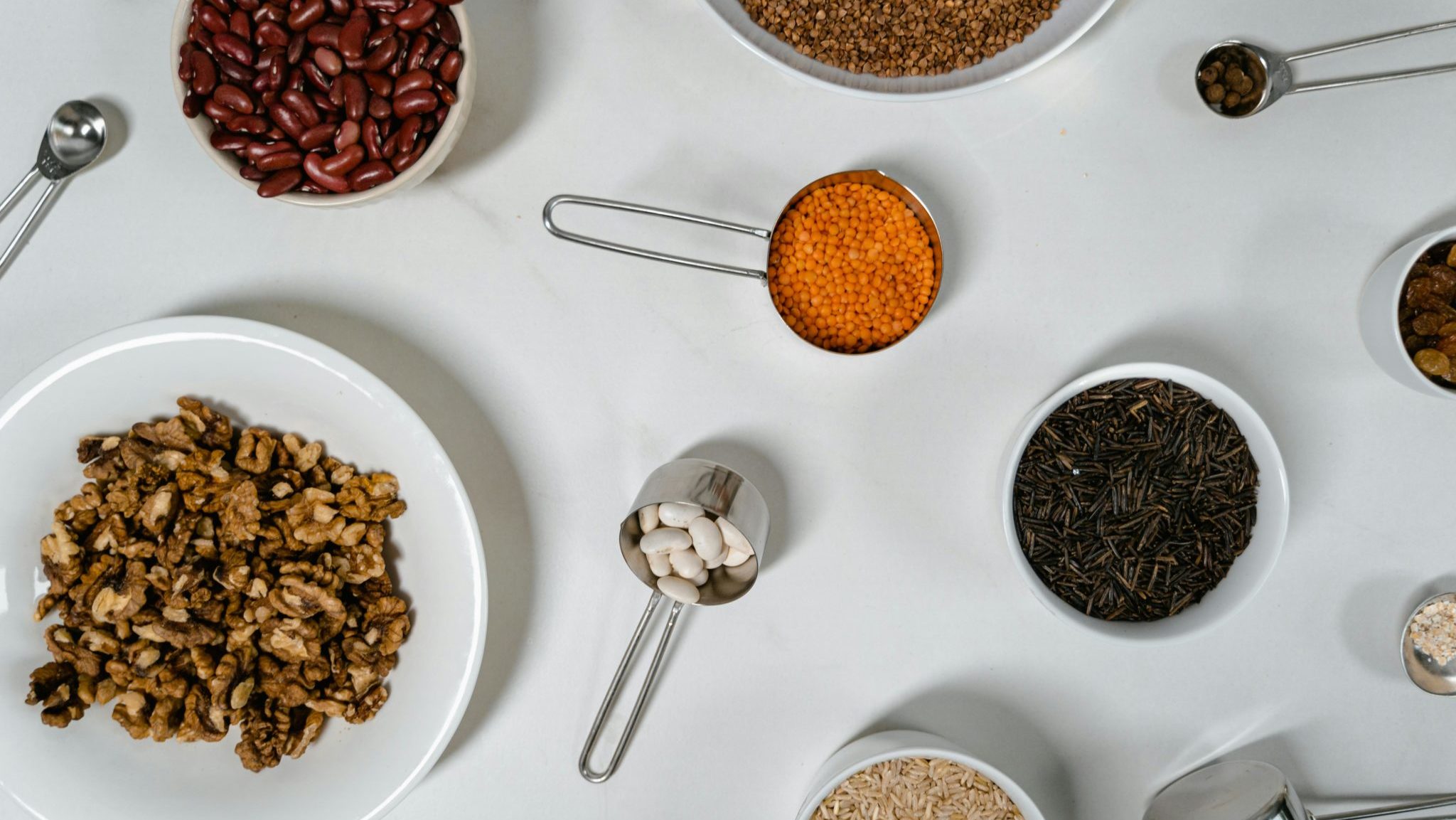
- Incorporate plant-based proteins – such as lentils, chickpeas, tofu or tempeh.
- Add nuts and seeds – they provide both protein and healthy fats which support hormone production.
- Choose clean protein sources – like unprocessed meat, fish, eggs or organic plant-based alternatives.
Tip: If you’re unsure whether you’re getting enough protein, aim for roughly 1–1.5 grams of protein per kilogram of body weight, depending on your activity level.
To-Go: What really makes the difference
Your hormones need a stable foundation—and protein is a key part of that. It has a regulating and balancing effect, helping your body activate and maintain vital functions.
By regularly choosing high-quality protein sources, you’re not only supporting your muscles and immune system—you’re also laying the groundwork for greater energy, emotional balance and long-term hormonal health.
Want to make your diet more hormone-friendly? Start with small, protein-rich changes—your body will thank you.
- Xiao F, Guo F. Impacts of essential amino acids on energy balance. Mol Metab. 2022 Mar;57:101393. doi: 10.1016/j.molmet.2021.101393. Epub 2021 Nov 14. PMID: 34785395; PMCID: PMC8829800.
- Shao, D., & Zhao, X. (2022). Amino acids as hormones and signal molecules in metabolic control. Journal of Nutritional Biochemistry, 107, 109048. https://doi.org/10.1016/j.jnutbio.2022.109048