
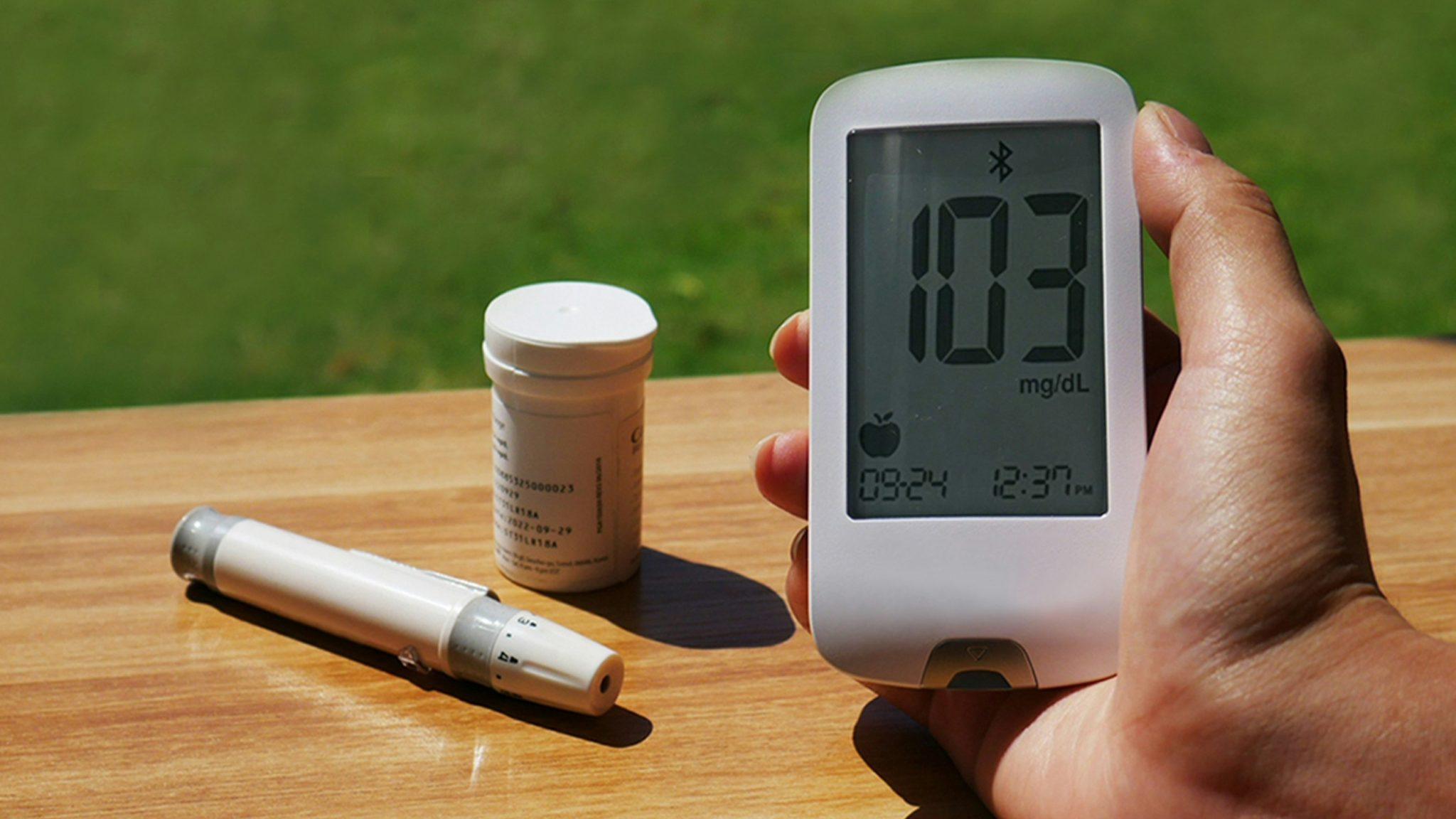
In times of smartwatches, fitness trackers and personalized health, interest in continuous self-monitoring is growing. Particularly popular: blood glucose measurement by so-called CGMs (Continuous Glucose Monitors), which were originally developed for diabetes. But how useful is this really for healthy people? And what can actually be deduced from this?
What does a CGM actually measure?
Blood sugar (glucose) is the most important source of energy for our body. It fluctuates throughout the day – for example, after eating, during physical activity or in stressful situations. Normally, our body keeps blood sugar levels within a narrow, healthy range through hormones such as insulin and glucagon.
Normal blood sugar levels (fasting):
- 70–100 mg/dl (3.9–5.6 mmol/l)
2 hours after eating:
- < 140 mg/dl (7.8 mmol/l)
These fluctuations are physiological and nothing to worry about – as long as they remain within these ranges.
To explain these values
120 mg/dl (7.8 mmol/l) means that the blood sugar level is 120 milligrams per deciliter of blood – mg/dl is a unit of measurement for how much sugar is in the blood. The value in brackets (7.8 mmol/l) is the same figure, only in a different unit, which is widely used, especially in Europe.
For what reasons do healthy people want to track their blood sugar?
- Optimising nutrition: Many people want to understand which foods cause their blood sugar to rise sharply in order to reduce it.
- Prevention of metabolic diseases: React early to possible prediabetes signs.
- Performance improvement: Especially in the sports sector, biohackers use blood sugar data to optimize energy levels.
- Weight management: Fluctuations in blood sugar are associated with cravings and fat metabolism.
But caution is advised here:
- Misinterpretations: Blood sugar levels fluctuate – this is normal. Without medical classification, this can lead to unnecessary concern.
- Measurement error: CGMs are not 100% accurate (1). Small deviations are normal, but difficult for laymen to classify.
- Danger of orthorexia: Constantly looking at the glucose curve can lead to excessive control and compulsion to eat – these are already the first signs of orthorexia (2).
- Costs: CGMs are expensive – for healthy people, they are not covered by health insurance.
For whom is blood glucose measurement without diabetes useful?
It could be useful for:
- People with a family history of type 2 diabetes
- Overweight people with metabolic risk profile
- Athletes with an interest in performance and regeneration optimization
- People with symptoms such as cravings, severe fatigue after meals, or unexplained weight fluctuations
Less suitable for:
- Healthy people without risk factors or complaints
- People with a tendency to excessive health control
- Children and adolescents without medical indication
Gimmick or future of prevention?
Blood glucose monitoring without diabetes can provide valuable insights when used correctly. However, it does not replace a medical diagnosis, a balanced diet or a healthy lifestyle. Anyone who has real concerns about blood sugar levels should check the data professionally – preferably with professional support from doctors or nutritionists.
Hint:
This article has been prepared with great care and on the basis of fact-based information. Our doctor of the hospital, Dr. Bünz, has checked the contribution in advance. Please note, however, that the content is of a general nature and cannot replace individual medical advice. If you have specific questions or health concerns about blood glucose measurement, please contact Dr. Bünz directly.
(1) Bellido, V., Freckman, G., Pérez, A. & Galindo, R. J. (2023). Accuracy and Potential Interferences of Continuous Glucose Monitoring Sensors in the Hospital. Endocrine Practice, 29(11), 919–927. https://doi.org/10.1016/j.eprac.2023.06.007
(2) Douma, E. R., Valente, M. & Syurina, E. V. (2020). Developmental pathway of orthorexia nervosa: Factors contributing to progression from healthy eating to excessive preoccupation with healthy eating. Experiences of Dutch health professionals. Appetite, 158, 105008. https://doi.org/10.1016/j.appet.2020.105008