
The ratio of omega-6 to omega-3 fatty acids is an important topic in nutrition, as it has long-term effects on health. Especially with regard to inflammation and chronic diseases, it is important to keep an eye on the ideal ratio.
What are omega-6 and omega-3 fatty acids?
- Omega-6 fatty acids: Are polyunsaturated fatty acids found in many vegetable oils (e.g., sunflower, corn and soybean oil). The most important omega-6 fatty acid is linoleic acid, which can be converted into arachidonic acid in the body.
- Omega-3 fatty acids: Are also polyunsaturated fatty acids found mainly in oily fish, linseed, walnuts and chia seeds. Important forms are alpha-linolenic acid (ALA), eicosapentaenoic acid (EPA) and docosahexaenoic acid (DHA).
Both are essential, which means that the body cannot produce them itself and they must be obtained from food.
Why is the ratio important?
The ratio of omega-6 to omega-3 influences the balance between pro-inflammatory and anti-inflammatory processes in the body. Omega-6 can produce pro-inflammatory substances (e.g. prostaglandins), while omega-3 has a more anti-inflammatory effect. An ideal ratio is often given as 2:1 to 4:1 (omega-6:omega-3). In Western diets, however, this ratio is often 10:1 to 20:1, which is associated with an increased risk of chronic diseases such as cardiovascular disease, diabetes and inflammation.
What should you look out for?
- Make sure to improve the ratio and not just lower the total amount.
- Reduce your intake of omega-6 rich foods (e.g., highly processed cooking oils, convenience foods).
- Increase your intake of omega-3 rich foods (e.g., oily fish, linseed oil, walnuts).
- The quality of the fats is crucial.
- Look for cold-pressed oils and avoid hydrogenated fats.
- Avoid trans fats, which are found in many industrially processed foods.
- Try to integrate specific sources of omega-3.
- Plant sources: Linseed, chia seeds, walnuts, hemp seeds
- Animal sources: Salmon, mackerel, herring, sardines
- Supplements: High-quality fish or algae oil capsules can help, especially for people who do not eat fish
Overview of suitable foods to optimize the ratio
Omega-6-rich foods:
- Sunflower oil
- Corn oil
- Soybean oil
- Ready meals and fast food
Omega-3 rich foods:
- Fish: salmon, mackerel, herring, sardines
- Vegetable oils: linseed oil, walnut oil, hemp oil, rapeseed oil
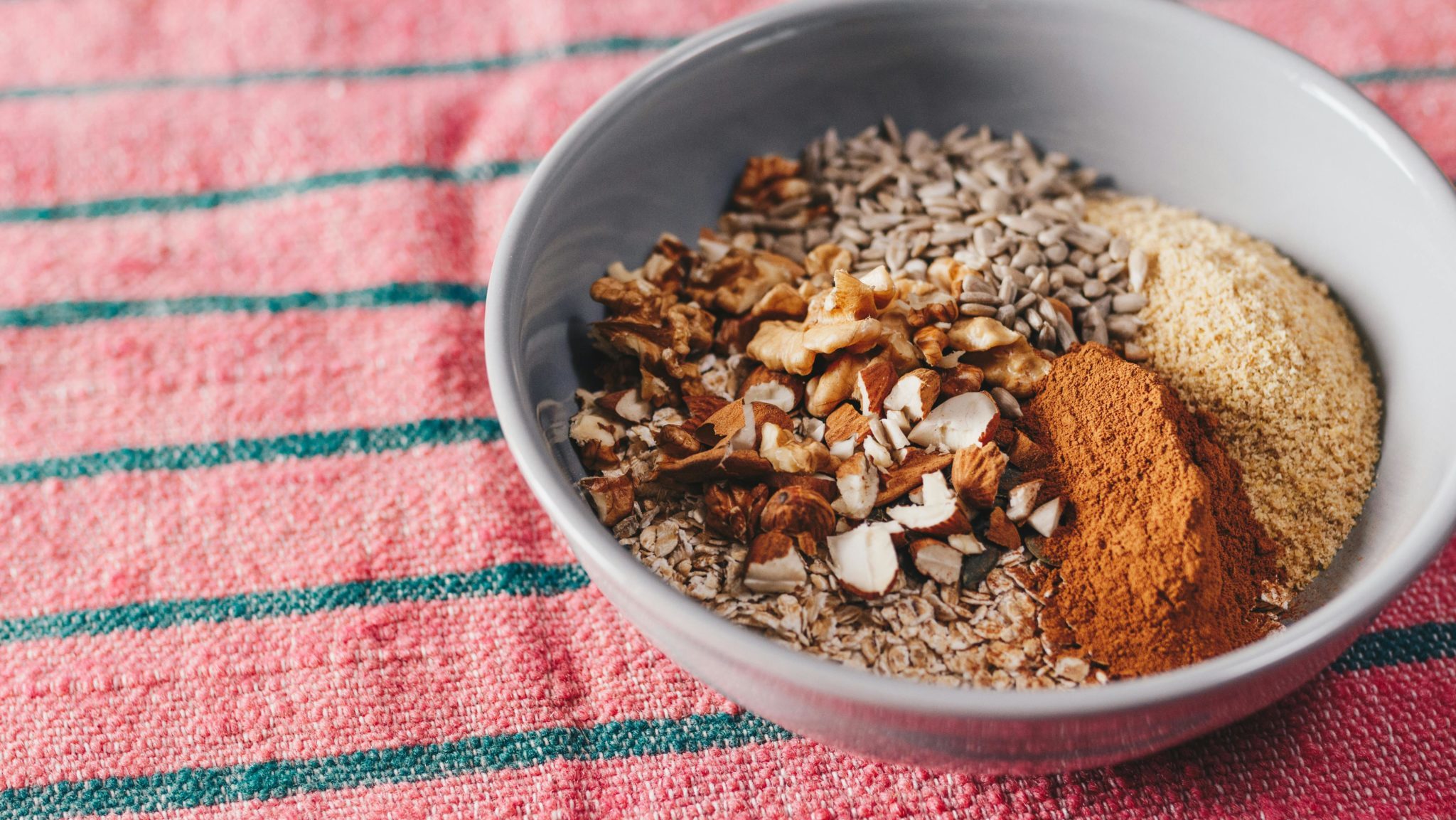
- Seeds and nuts: Linseed, chia seeds, walnuts, hemp seeds
- Others: Algae (as a source of DHA and EPA)
Foods with a balanced ratio:
- Rapeseed oil (contains moderate amounts of omega-6 and relatively high omega-3)
- Walnuts (good omega-6 to omega-3 ratio)
Conclusion: Finding a balance for long-term health
A balanced ratio of omega-6 to omega-3 fatty acids is important for health, especially to reduce inflammation and prevent chronic diseases. The focus should be on reducing omega-6-rich foods and incorporating targeted sources of omega-3 into the diet. A varied diet with oily fish, plant seeds and high-quality oils is the key to achieving a healthy balance.
Learn more about the importance of the right omega-6/omega-3 ratio to reduce the risk of autoimmune diseases, asthma and allergies.