
Inflammation is a natural defense reaction of the body, but it can become chronic and contribute to various diseases. Proper nutrition can help reduce inflammation (1). But which foods promote inflammation and which counteract it?
Foods that reduce inflammation
An anti-inflammatory diet is based on fresh, unprocessed foods with lots of antioxidants and healthy fats.
- Omega-3 fatty acids
- Oily fish (salmon, mackerel, herring)
- Plant-based alternatives: flaxseed, chia seeds, walnuts
- Antioxidant-rich foods
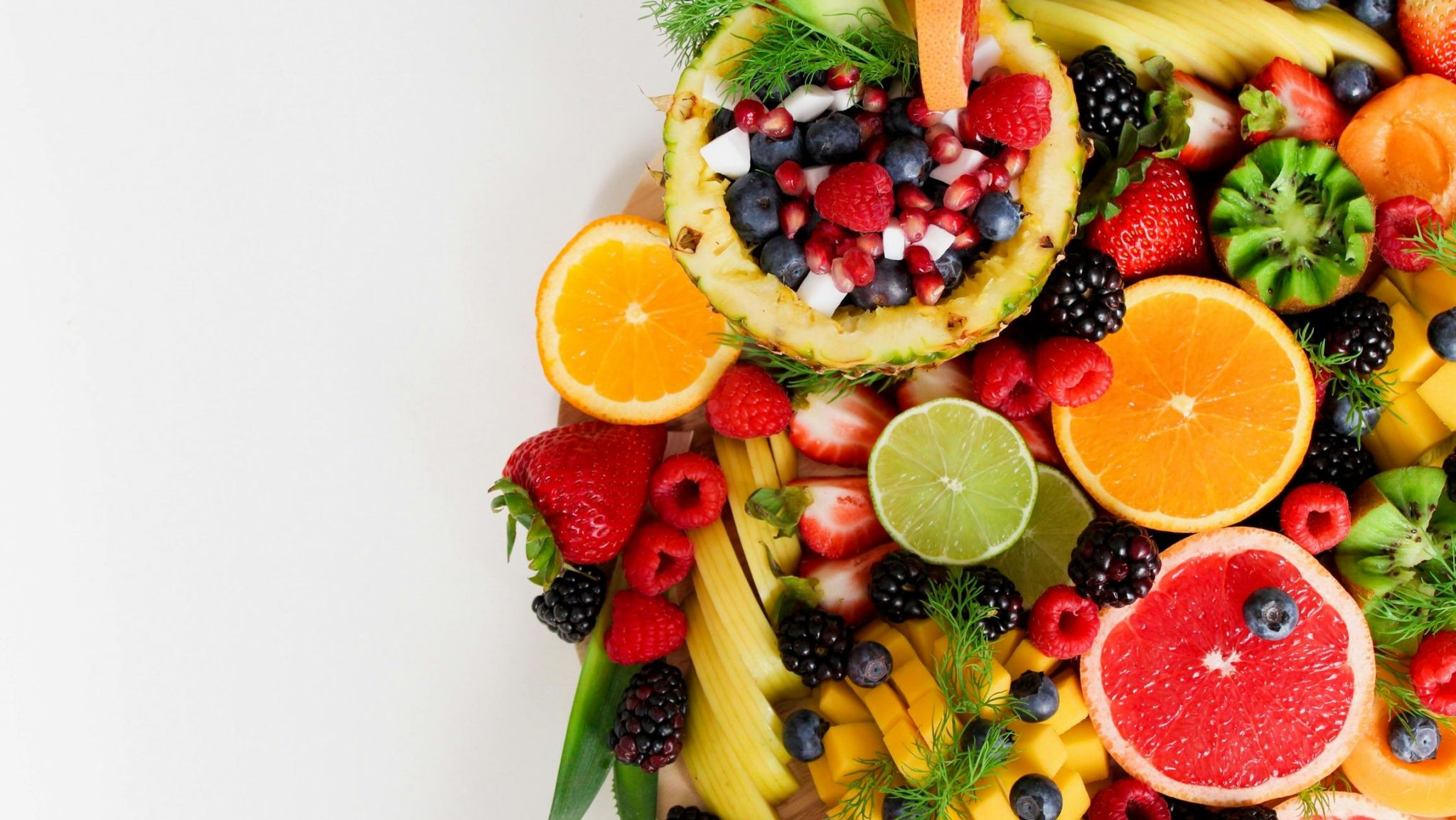
- Berries (blueberries, raspberries, currants)
- Dark chocolate (min. 70% cocoa)
- Green leafy vegetables (spinach, kale)
- Spices with healing effects
- Turmeric: Contains curcumin, which has a strong anti-inflammatory effect.
- Ginger: May reduce inflammation and promote blood circulation.
- High-quality vegetable proteins
- Legumes such as lentils, chickpeas and beans provide important nutrients without pro-inflammatory properties.
Foods that promote inflammation
- Processed and red meat
- Contains saturated fat and arachidonic acid, which can increase inflammation.
- Sugar and refined carbohydrates
- Too much sugar promotes chronic inflammation and may increase the risk of disease (2).
- Dairy products
- Some people are sensitive to dairy products because they can promote inflammation in the body.
- Alcohol and soft drinks
- Can increase inflammation levels in the body and slow down healing processes.
How can you adjust your diet?
- Smoothies and juices: A berry smoothie with chia seeds provides many antioxidants and omega-3 fatty acids.
- Hot dishes: A lentil soup with turmeric and ginger can have an anti-inflammatory effect.
- Healthy snacks: A handful of walnuts or dark chocolate as an alternative to highly processed snacks.
- Salads with healthy fats: Avocado and linseed oil as a dressing promote healthy inflammation regulation.
Choosing the right foods can help regulate inflammation in the body. While some foods promote inflammatory processes, there are many ways to support the body with anti-inflammatory ingredients. A conscious diet can thus increase well-being and contribute to health in the long term.
- Ma, X., Nan, F., Liang, H., Shu, P., Fan, X., Song, X., Hou, Y. & Zhang, D. (2022). Excessive intake of sugar: An accomplice of inflammation. Frontiers in Immunology, 13. https://doi.org/10.3389/fimmu.2022.988481
- Uebel, U. Anti-inflammatory nutrition. Uro-News 25, 40–43 (2021). https://doi.org/10.1007/s00092-021-4657-4