
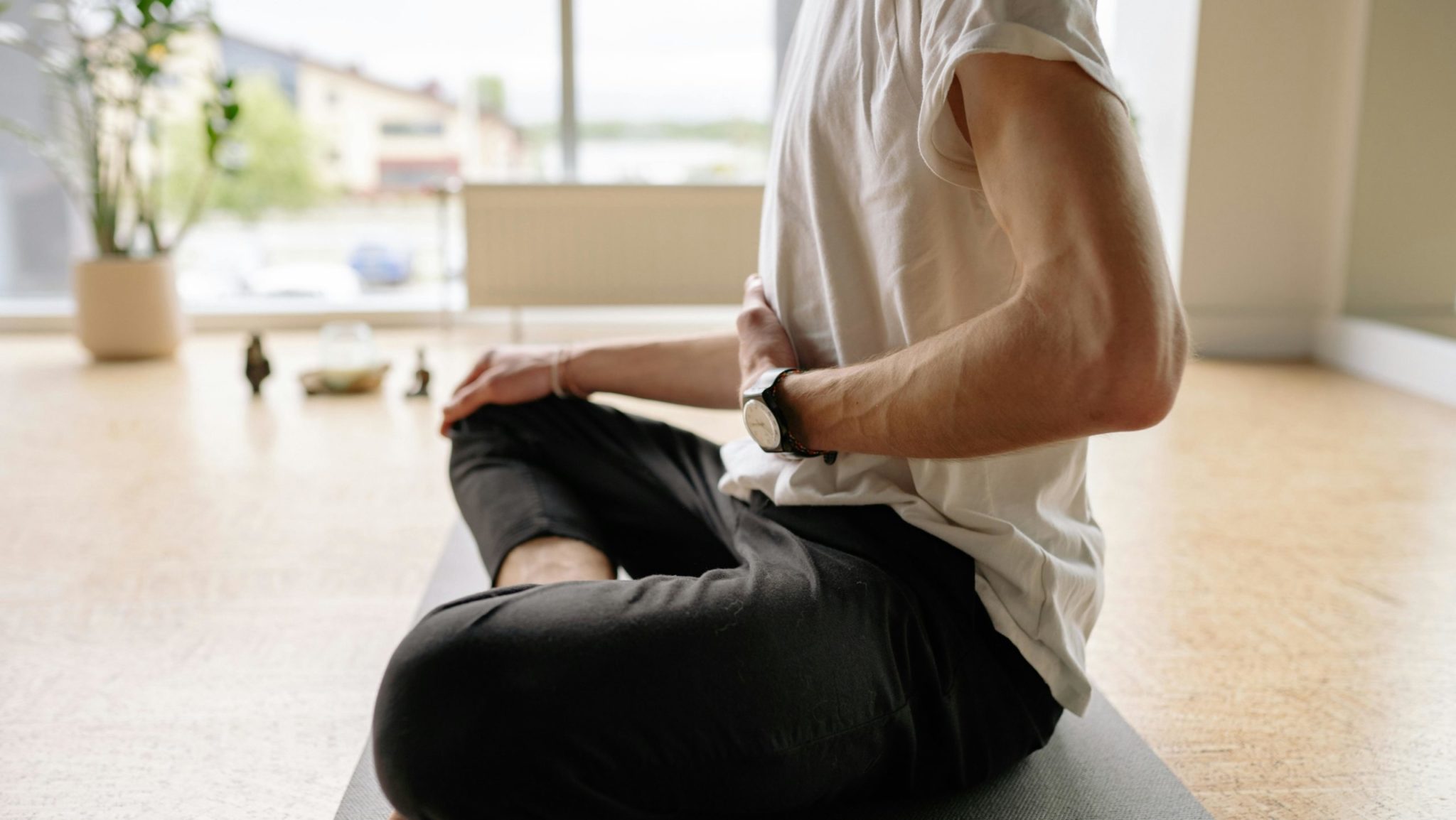
The vagus nerve is one of the most important nerves in our body. As part of the parasympathetic nervous system, it plays a central role in regulating bodily functions such as heartbeat, breathing, and digestion. However, the vagus nerve not only affects our physical health, but also our emotional well-being (1). Through targeted vagus nerve exercises, we can calm our nervous system, reduce stress and find inner peace.
The role of the vagus nerve in the nervous system
The vagus nerve extends from the brain to the organs in the abdomen and transmits many important signals between the brain and body. When this nerve is active, it promotes relaxation and helps to free the body from a state of tension. A well-functioning vagus nerve is crucial for reducing stress, lowering blood pressure and boosting the immune system (2).
An inactive vagus nerve is associated with increased stress levels, anxiety, and even chronic inflammation. This makes it all the more important to regularly promote the function of the vagus nerve.
Breathing exercises to strengthen the vagus nerve
A simple but extremely effective exercise is deep abdominal breathing. It stimulates the vagus nerve and activates the parasympathetic nervous system, which provides relaxation.
Exercise 1: Deep abdominal breathing
- Sit or lie down comfortably.
- Place one hand on your stomach and the other on your chest.
- Inhale slowly through your nose, letting your belly bulge outwards.
- Now exhale gently through your mouth so that your belly pulls back inwards.
- Repeat this exercise for 5–10 minutes, focusing on the flow of breath.
Exercise 2: Humming
Humming or singing also activates the vagus nerve. The vagus nerve is connected to the vocal cords, and the vibration of the body stimulates this nerve as it hums.
- Sit up straight and take a deep breath.
- As you exhale, hum a pleasant “Mmm” and feel the vibration in the throat area.
- Repeat this exercise 5–10 times.
Targeted exercises for more relaxation
Vagus nerve exercises, such as deep breathing and buzzing, can significantly increase well-being. They are easy to perform and a natural way to relieve stress, find more peace and strengthen the nervous system.
(1) Vanderhasselt, M. & Ottaviani, C. (2021). Combining top-down and bottom-up interventions targeting the vagus nerve to increase resilience. Neuroscience & Biobehavioral Reviews, 132, 725–729. https://doi.org/10.1016/j.neubiorev.2021.11.018
(2) Breit, S., Kupferberg, A., Rogler, G. & Hasler, G. (2018). Vagus Nerve as Modulator of the Brain–Gut Axis in Psychiatric and Inflammatory Disorders. Frontiers in Psychiatry, 9. https://doi.org/10.3389/fpsyt.2018.00044