
Polyphenols are secondary plant substances that are found in many plant foods and are known for their antioxidant properties. They play an important role in protecting cells from oxidative stress and can reduce the risk of various chronic diseases. In this blog post, you will find out exactly what polyphenols are, how they affect cell health and which superfoods are particularly rich in them.
What are polyphenols?
Polyphenols are a group of bioactive compounds produced by plants. They give fruit, vegetables, and other plant-based foods their characteristic colors and flavors. There are over 8,000 different polyphenols, which can be divided into four main categories:
- Flavonoids (e.g. quercetin, catechins)
- Phenolic acids (e.g. caffeic acid, ferulic acid)
- Stilbenes (e.g. resveratrol)
- Lignans (e.g. contained in linseed)
Polyphenols act primarily as antioxidants by neutralizing free radicals. Free radicals are unstable molecules that can damage cells and contribute to the development of diseases such as cancer, cardiovascular diseases and neurodegenerative diseases.
Effect of polyphenols on cell health
- Antioxidant effect: Polyphenols protect cells from oxidative stress by scavenging free radicals. This helps to prevent cell damage and reduce inflammatory processes in the body.
- Anti-inflammatory effect: Many polyphenols have an anti-inflammatory effect by inhibiting the activity of certain enzymes and signaling pathways involved in inflammation. Chronic inflammation is linked to cardiovascular disease, diabetes, and cancer.
- Improvement of vascular function: Certain polyphenols, especially flavonoids, promote the production of nitric oxide (NO) in the blood vessels. NO causes vasodilation and improves blood flow, which reduces the risk of high blood pressure and cardiovascular disease.
- Protection against neurodegenerative diseases: Polyphenols such as resveratrol (e.g. in red grapes) can cross the blood-brain barrier and have an anti-inflammatory effect in the brain. Studies suggest that they can reduce the risk of Alzheimer’s and Parkinson’s disease.
Polyphenol-rich superfoods
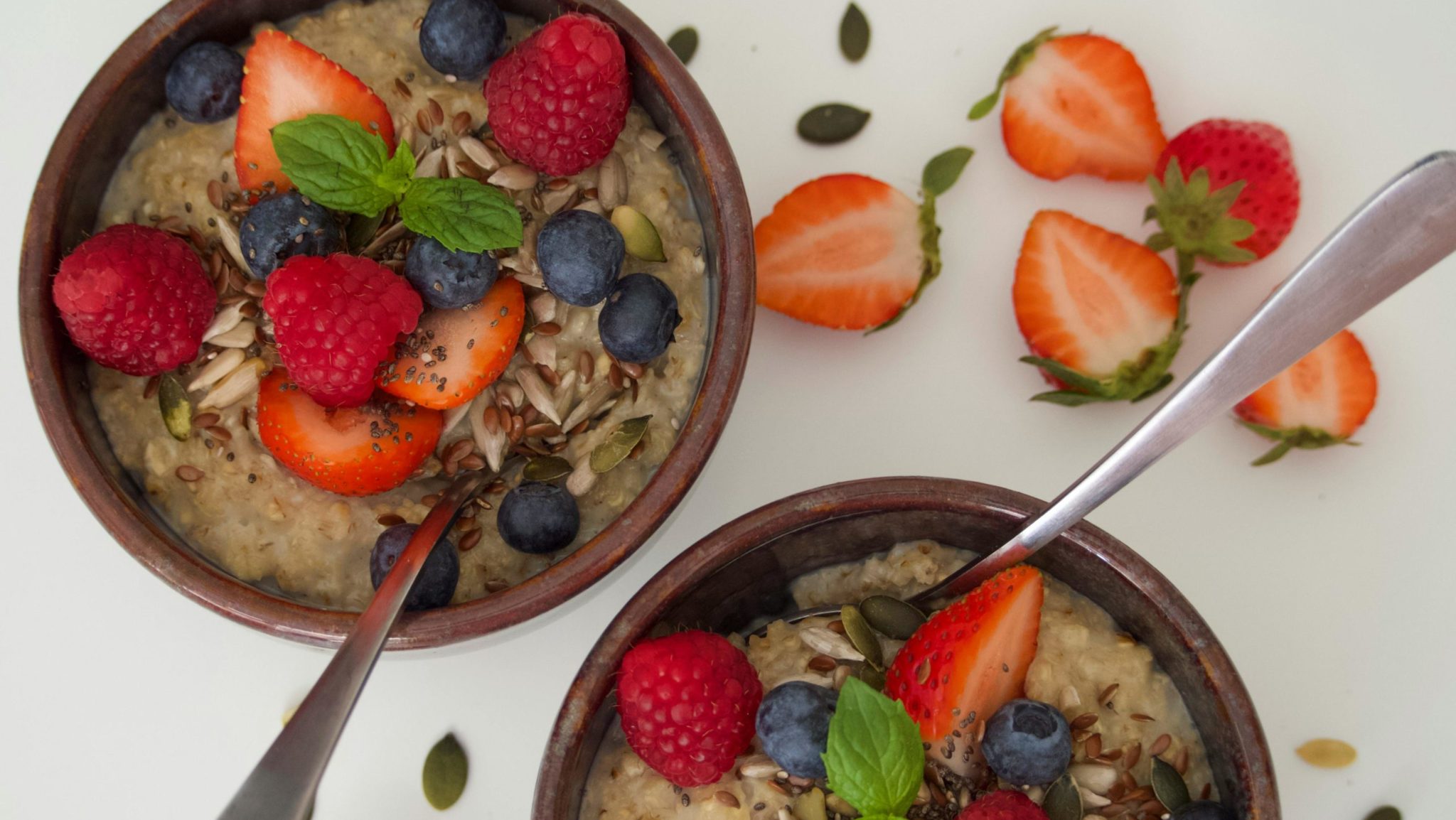
1. Berries (blueberries, raspberries, strawberries, acai berries)
- Berries are rich in anthocyanins, a subgroup of flavonoids known for their intense color and strong antioxidant effects.
- Benefits: protection of blood vessels, improvement of cognitive functions, anti-inflammatory effect.
2. Green and black tea
- Both teas contain catechins and flavonols which are powerful antioxidants.
- Benefits: protection against cardiovascular diseases, lowering of cholesterol levels, support of weight regulation.
3. Cocoa and dark chocolate
- Cocoa contains polyphenols such as flavanols which can have a positive effect on heart health.
- Benefits: Improves vascular function, lowers blood pressure, boosts mood by releasing endorphins.
4. Red grapes
- Red grapes are an important source of resveratrol, a polyphenol known above all for its cardioprotective effects.
- Benefits: protection of the cardiovascular system, anti-inflammatory and neuroprotective properties.
5. Turmeric
- Turmeric contains curcumin which belongs to the phenolic acids and has a strong anti-inflammatory effect.
- Benefits: Protection against inflammation, antioxidant effect, supports liver health.
6. Olive oil (extra virgin)
- High-quality olive oil is rich in hydroxytyrosol and oleuropein which belong to the phenolic acids.
- Benefits: Reduction of LDL cholesterol, protection of blood vessels, anti-inflammatory effect.
7. Onions and garlic
- Onions and garlic contain quercetin, a flavonoid with strong antioxidant and anti-inflammatory properties.
- Benefits: Support the immune system, protect against heart disease.
8. Flaxseed
- Flaxseeds are rich in lignans, a group of polyphenols that can act as phytoestrogens.
- Benefits: Improve gut health, reduce the risk of breast cancer, promote hormone balance.
9. Apples
- Apples contain polyphenols such as flavonoids and phenolic acids. The peel is particularly rich in polyphenols.
- Benefits: Support of digestion, protection against cardiovascular diseases.
Polyphenols are valuable plant substances that promote cell health, inhibit inflammation and can reduce the risk of chronic diseases. The best sources of polyphenols are fresh fruit, vegetables, nuts, seeds and certain drinks such as green and black tea. A varied diet with polyphenol-rich superfoods helps to maintain your health in the long term. As you can see, you don’t even need any fancy foods — eating berries every day, e.g. in breakfast, a green tea in between meals, or a dash of olive oil in your salad — can already make an important contribution to long-term health.
Find out more on how polyphenols prevent neurodegenerative diseases and support brain health.