
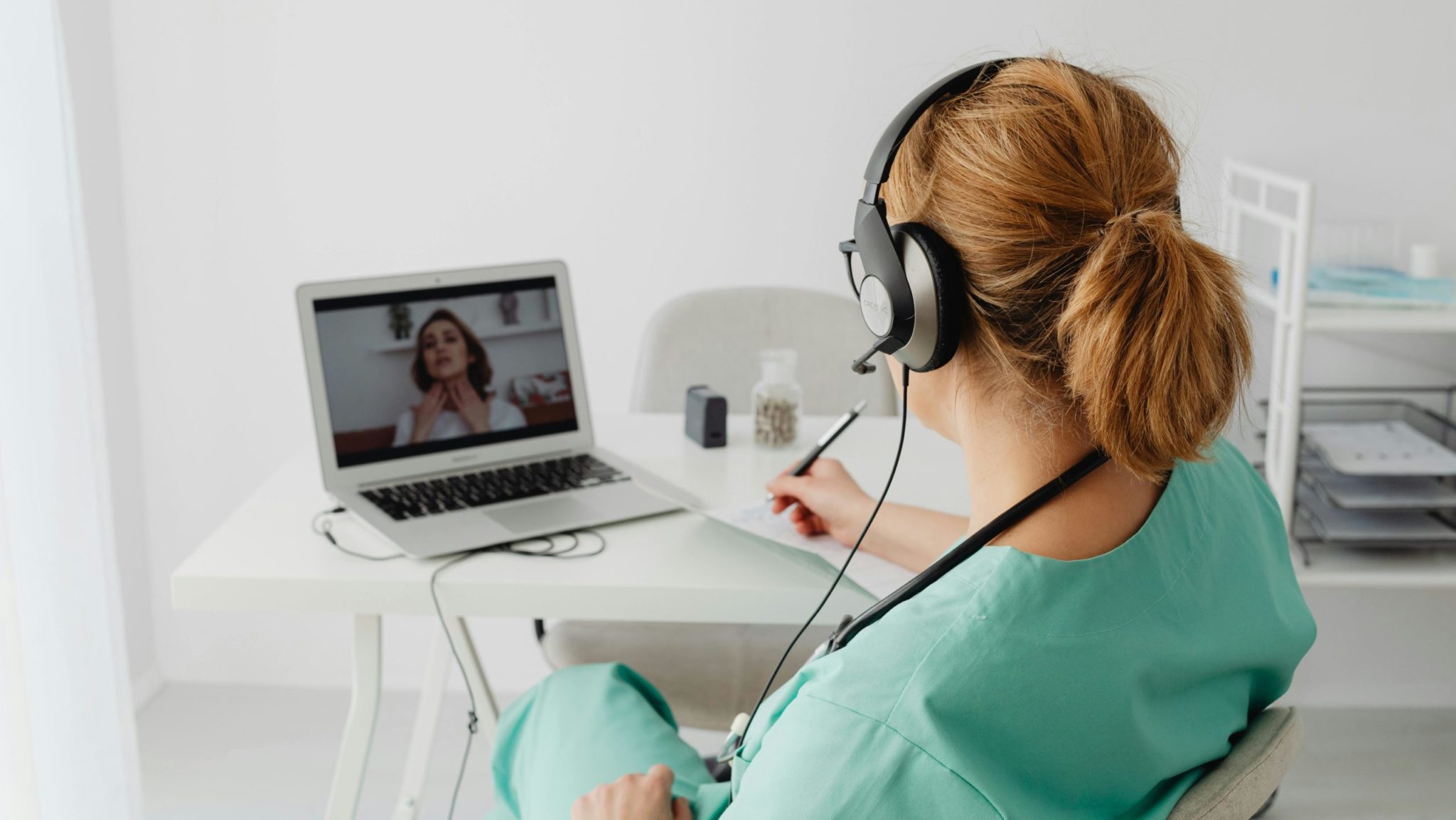
Telemedicine has advanced significantly in recent years, providing patients with quick and flexible access to medical advice, often through video or phone consultations. Especially for routine consultations and follow-up appointments, telemedicine saves time and increases the reach of medical care. But what are the limits of this digital healthcare solution and when is a visit to the doctor in person unavoidable?
The key benefits of telemedicine
Telemedicine offers clear advantages: Patients save time and can attend appointments more flexibly which is particularly beneficial in rural areas or for immunocompromised people. Additionally, telemedicine reduces infection risks and is often a more cost-effective alternative.
Challenges: where telemedicine falls short
Despite its advantages, telemedicine also has its limitations:
- Limited diagnostic options: Certain conditions necessitate a physical examination, which cannot be conducted online.
- Technical hurdles: Older people or socially disadvantaged groups often have limited access to digital devices or a stable internet connection.
- Limited communication: Personal interaction and non-verbal cues are more difficult to capture digitally which can affect trust and diagnostic reliability.
When in-person care is a must
There are situations in which a direct visit to the doctor is essential:
- Acute emergencies: Immediate help is required for symptoms such as sudden chest pain, shortness of breath or numbness.
- Injuries and wounds: Deep wounds and broken bones require physical examination and often prompt care.
- Diagnostic tests: Imaging procedures such as X-rays or MRIs and blood tests are not possible digitally, but are often essential.
- Complex clinical pictures: Complex or prolonged illnesses often demand an in-person and comprehensive examination.
Conclusion: Telemedicine has its advantages and disadvantages
Telemedicine is a valuable addition to traditional healthcare, but not a complete replacement. It is ideal for many routine concerns, but a direct visit to the doctor is still necessary for acute or complex cases.
You can find more exciting insights into the topic in a study on the potential of telecare in nursing care from the Federal Ministry of Health.