
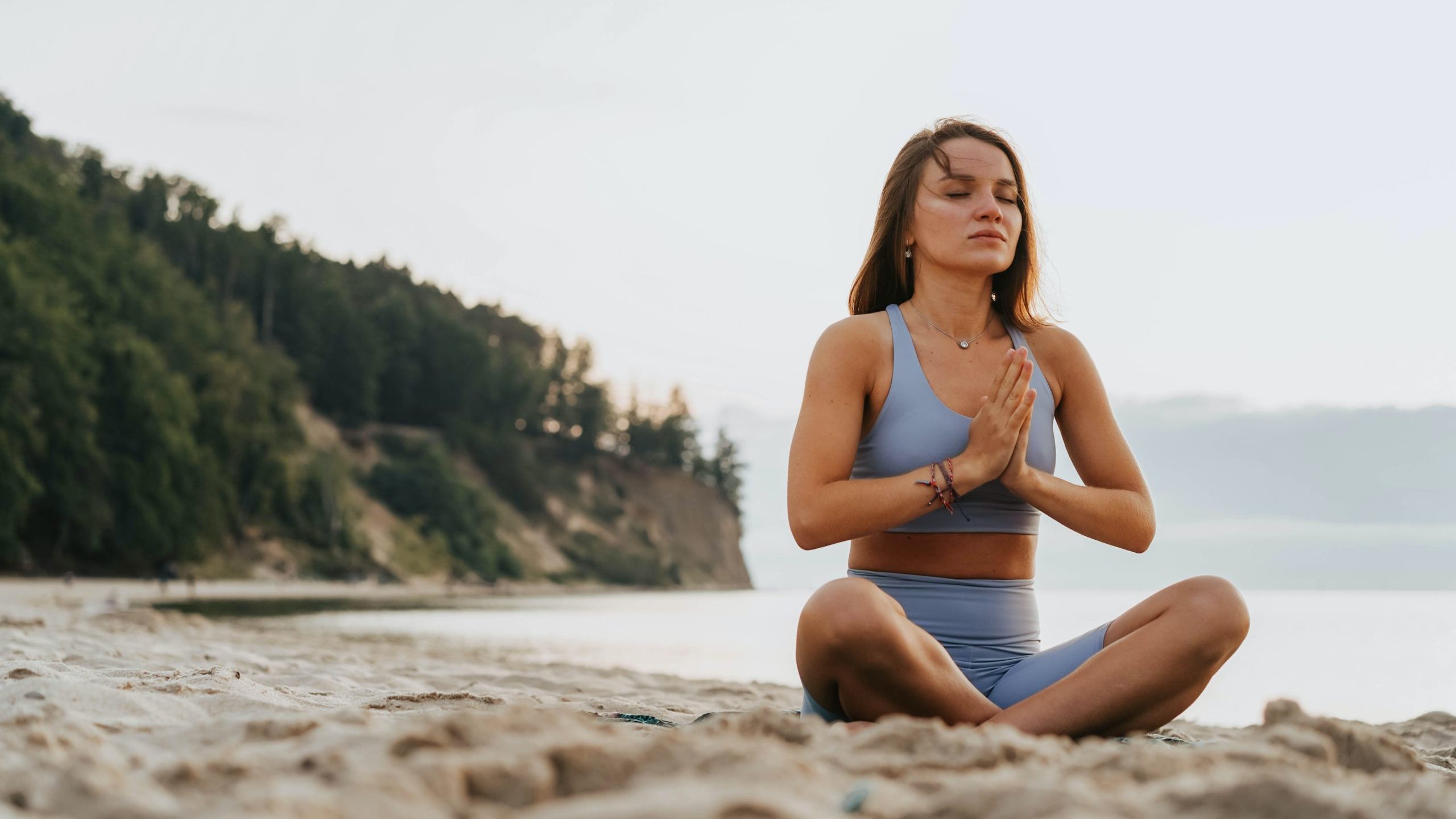
The term meditation is ubiquitous these days and everyone has probably heard it before. But what exactly is behind this concept? Meditation is a form of mindfulness that has its origins in Buddhist practice and is around 2500 years old. Over time, these principles have found their way to the West, where they are practised today without a religious context – modified and adapted, but the basic principles remain the same.
Mindfulness
Mindfulness means being present in the present moment, staying in the here and now with all our senses. Our attention is focused on present thoughts, feelings and actions, far removed from the past and future. By focussing our attention on the here and now, we can free ourselves from negative judgements or thought patterns and learn to deal with our feelings more consciously and mindfully.
Meditation
In meditation, we can focus our attention on various aspects, such as breathing, mantras or inner images. The silence that arises during meditation reduces stress and clears the mind – very valuable in our hectic society.
So much for the theory – but what does the practice look like? To make it easier for you to start meditating, here are a few practical tips:
- Choose a fixed place to meditate: This can help you get into the right mindset and make it easier for you to get started. Ideally, find a place without distractions where you can calm down. For example, a specific chair, a mat or an armchair can serve as your meditation oasis.
- Adopt a comfortable posture: Don’t worry, you don’t have to meditate in a lotus or cross-legged position. The important thing is that you feel comfortable and adopt a posture that is comfortable for you, whether sitting or lying down.
- Create a fixed time frame for yourself and stick to it: Integrate meditation sessions into your routine, be it in the morning to have a relaxed start to the day or in the evening to help you fall asleep. Make the practice of meditation a habit.
- Regularity is the key to relaxation and mindfulness: Practice makes perfect! Don’t expect to be able to meditate like the Buddhist monks right from the start, especially if your body is pumped full of stress hormones. It takes time for your body and mind to calm down. Start with small steps: short sessions will help you stay on the ball and not give up in frustration. Regularity is the key!
Of course, meditation alone is not enough to lead a healthy and stress-free life. Exercise, a balanced diet and sufficient sleep also play an important role. Nevertheless, mindfulness and meditation can help to reduce stress, increase your concentration and create a positive connection with yourself – an enrichment for the body and mind. So it’s definitely worth giving it a try!