
When we hear the term ergonomics in the workplace, the first thing that usually comes to mind is the correct adjustment of chairs, tables and other work materials. But factors such as lighting conditions, noise, climate and temperature conditions at the workplace are also part of the ergonomic design of work. For this reason, today we will show you what optimal climate conditions at work should look like, what employers and employees can do to change the climate for the better and what to consider if the temperatures are too high. Especially in summer, when temperatures are very high, the climate at work is always an issue.
Climate in the workplace – what does it mean?
Before we talk about what the climate in the workplace should be like, it is first important to clarify what is actually meant by climate and why good climate conditions are important for our bodies and our work. After all, a good climate is enormously important for our concentration. Excessively warm temperatures are usually associated with reduced well-being and, in the worst case, with health problems such as heat exhaustion or heat collapse. There is also the disease “sick building syndrome”, a building-related health disorder whose symptoms are due to poor climatic conditions in the workplace. As soon as those affected leave the work building, the symptoms subside. To prevent this from happening, employers and employees can do a lot to make the climate conditions as health-promoting as possible.
Climate does not only mean air temperature, but also air velocity, humidity and air quality. The air temperature is significantly influenced by the weather, but the nature of the building or the car in which we are at work also plays an important role. For example, the type of walls, ceilings, floors and windows is essential for the temperature. In addition, air conditioning systems, ventilation behavior and the orientation of the workplace also change the temperature. The humidity is significantly influenced by heating, ventilation behaviour and technical devices. A humidity of less than 30% or above 70% is considered hazardous to health and is perceived as very unpleasant. The speed of the air refers to drafts, which often occur undesirable and can lead to hypothermia in the neck and foot area. Regular ventilation of the workrooms is very important, but it must be implemented correctly. Air quality refers to the interaction of all substances in the air. In summer, for example, the air quality is often poor, as the heat and sweat can lead to unpleasant odors. However, electronic devices and structural substances in the work facility also have a negative impact on air quality.
How to do it right?
The optimal climatic conditions are different depending on the activity and profession. In the office, for example, temperatures between 18 and 24 degrees are considered beneficial to health, 21 degrees is optimal. Temperatures above 26 degrees in the workplace are considered hazardous to health. In the best case, the humidity should be 50%, the tolerance range is between 30% and 70%. The air velocity should not exceed 0.1 m/s. The employer has the option of regularly measuring and having these climate parameters checked as part of the risk assessments. If necessary, measures can then be taken to make the climate more health-promoting.
Our tips for a healthy climate in the workplace
So how can the climate at the office workplace be made positive – especially when it’s hot in summer? Here are our tips:
- Equipment of the workplace: Structural measures such as sun protection devices, air purifiers, cooling units and air conditioning systems are a first step towards a climate that is harmless to health. In addition, the workstations in a room should be arranged in such a way that they are neither directly in the air flow nor illuminated by the blazing sun. The same applies in the car: do not expose yourself to a draught or the blazing sun. In addition, plants can be used as air conditioners, as they purify the air and regulate humidity. At the same time, plants make the workplace a lot more beautiful and decorative. Perhaps they will even inspire more creativity.
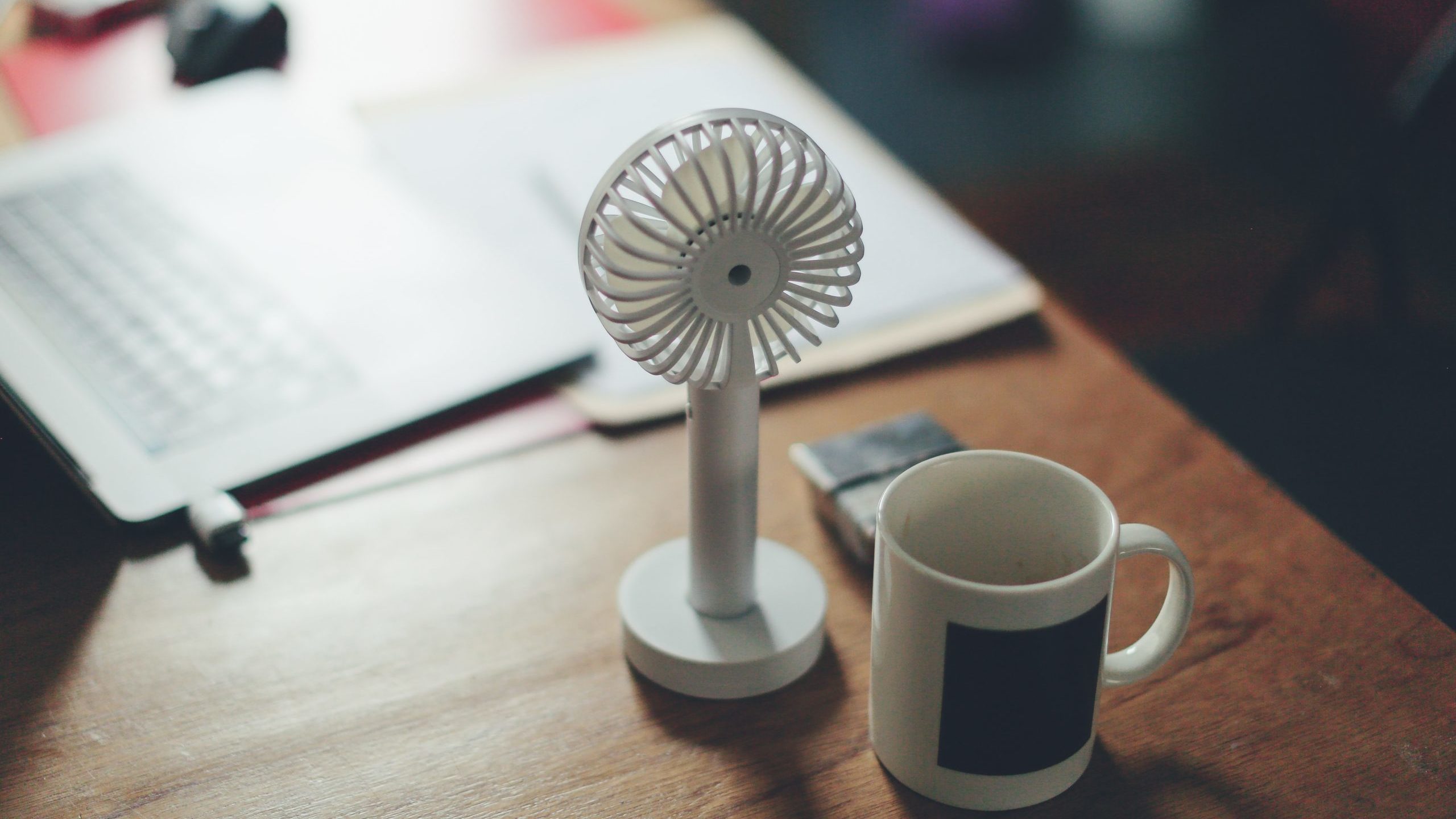
- Ventilate properly: Regular ventilation is important to replace the stale air indoors with fresh air. The best way to do this is to use natural ventilation through the windows. Here it makes sense, especially in summer, to ventilate first thing in the morning. In addition, oxygen exchange should take place once an hour. The best way to do this is to ventilate the room. In summer or as soon as there is too little wind, technical ventilation systems such as fans or air conditioning systems can help to keep the air in offices constantly cool and fresh. In the car, the occasional switching on of the air conditioning system is suitable for this purpose.
- Adapting working conditions: In summer, work processes can be partially adapted to the weather by changing some regulations. For example, working hours can be changed in such a way that employees start earlier in the summer and can thus work off a lot in the early hours of the morning. In addition, clothing regulations could be adapted so that men can do without jackets and long shirts and women can also wear breezy trousers or appropriate summer skirts. This will prevent the body from overheating. In addition, it is advisable to provide sufficient drinks and possibly fresh fruit regularly in summer. This ensures the supply of nutrients and fluids to all employees.
- Personal behavior of employees: There are some rules of conduct that you can personally implement to take care of your body even in the heat. Take advantage of the existing structural measures such as sun protection devices and air conditioning systems that are provided to you. Make sure to drink enough and adjust your diet to the heat. Light food is suitable in summer to prevent stomach problems and other ailments. Also, be mindful of your body’s signals. Every body reacts differently to particularly high and very low temperatures.